Materials et Design
Poteaux traités sous pression vs cèdre : choix et durabilité
Comparatif des poteaux traités sous pression et du cèdre : coûts, adaptation au sol, durées typiques 15–25 ans, entretien, corrosion et stratégies hybrides
Laura Dufresne 9 min de lecture
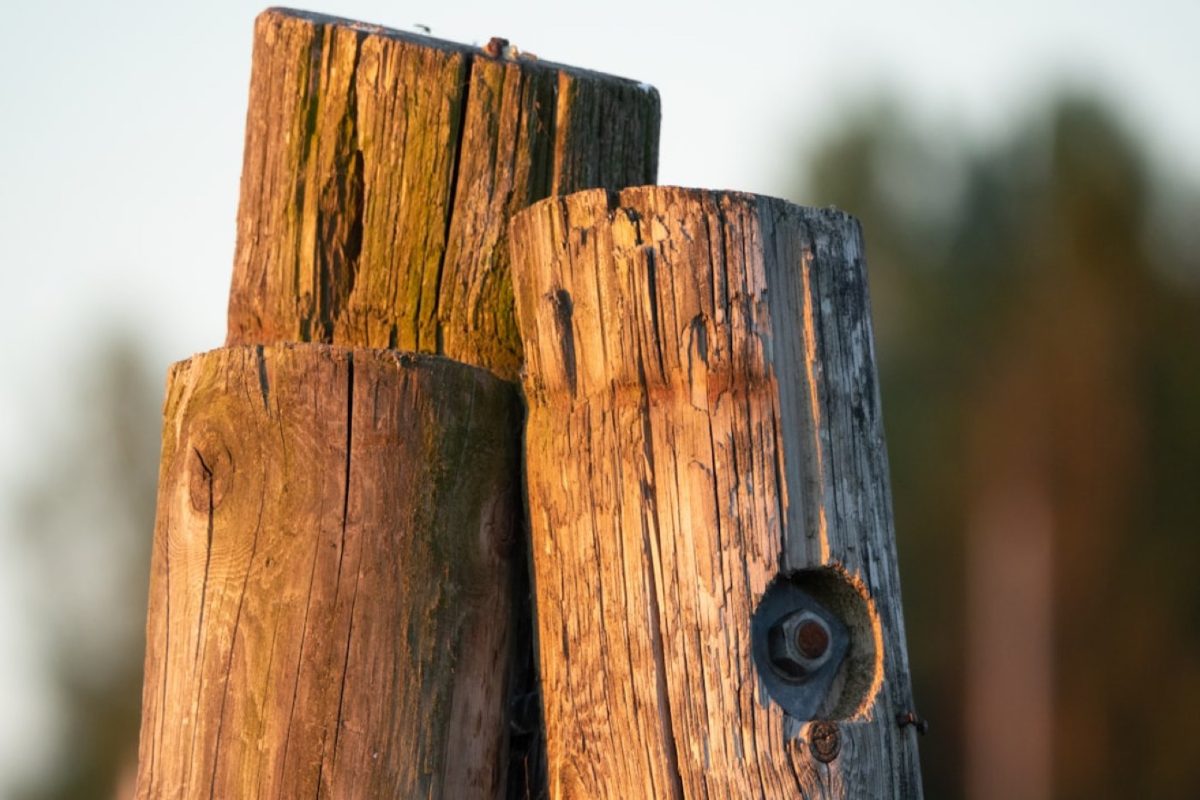
This comparison helps homeowners and contractors weigh pressure‑treated wood versus cedar for fence posts: pros, cons, expected lifespans, maintenance, corrosion notes, and common hybrid strategies. This page is informational only. Check local code and consult a licensed contractor for final decisions.
Comparison table
| Material | Typical cost signal | Ground‑contact suitability | Typical lifespan (reported) | Maintenance level | Appearance | Environmental / health notes | Best use-case |
|---|---|---|---|---|---|---|---|
| Pressure‑treated wood | Varies by region; trade surveys show treated often less expensive than premium cedar [8] | Designed for ground contact when rated UC3B/UC4A; follow manufacturer rating [1] | Reported as multi‑decade ranges for ground‑contact rated products; depends on species and exposure [3] | Low to moderate; periodic checks, fastener inspection; less frequent preservative re‑treatment than untreated wood [1][6] | Utility look; accepts paint/stain but more industrial appearance than cedar [6][7] | Modern preservatives are copper‑based (ACQ/CA); older CCA largely phased out for residential use—follow handling and disposal guidance [2] | Buried posts, heavy soil exposure, budget‑focused installs; often used as below‑grade support in hybrids [5] |
| Cedar (heartwood) | Typically a premium species cost compared with common treated lumber in many regions [8] | Good for above‑ground components; heartwood has natural decay resistance but is less suited to prolonged soil contact than ground‑contact treated wood [4] | Typical reported ranges often cited around 15–25 years under favorable conditions and maintenance [4][10] | Moderate; benefits from sealing/staining to extend appearance and life, and from attention to drainage at grade [4] | Warm, natural wood grain favored for aesthetics and dimensional stability [4][7] | Natural oils/tannins provide decay resistance; not chemically treated for ground contact unless specified [4] | Above‑ground pickets, rails, fence faces where appearance matters; often paired with treated posts [5] |
| Steel / composite (alternative) | Higher upfront cost in many cases; trade surveys note different total‑life economics [8] | Steel posts avoid wood rot issues but require corrosion protection in coastal/salty environments [9] | Durability varies by material and coating; often outlasts untreated wood in soil contact [9] | Low for corrosion‑protected steel; composite requires minimal maintenance [9] | Industrial for steel; composite can mimic wood grain depending on product | Different disposal and recycling profiles than wood; corrosion in salt air is a key factor [9] | High‑maintenance environments, coastal sites, or owners seeking minimal long‑term maintenance [9] |
Quick verdict
No single winner: pressure‑treated posts generally perform better in direct ground contact and are commonly chosen for buried posts, while cedar excels above ground for appearance and dimensional stability. Many contractors recommend a hybrid: treated posts below grade with cedar boards above grade [5].
Pressure‑treated posts
What it is: Pressure treatment impregnates wood with preservatives to slow decay and insect attack. Modern residential treatments commonly use waterborne copper‑based formulations such as ACQ or CA; older CCA treatments have largely been phased out for residential applications [2]. Ground‑contact ratings (for example UC3B/UC4A) indicate suitability for burial or frequent wetting—consult product rating language and selection guidelines [1].
- Pros:
- Designed for ground contact and generally shows longer service life in soil than untreated wood when properly rated [3].
- Widespread availability and often chosen for cost‑sensitive installations per regional surveys [8].
- Compatible with concrete or drained post‑setting methods and commonly used as structural support in hybrid fences [5].
- Cons:
- Less visually appealing than cedar unless painted or clad [6].
- Contains chemical preservatives that require following handling and disposal guidance; modern formulations differ from legacy CCA chemistry [2].
- Certain fasteners may corrode faster in contact with some treated wood—use stainless or hot‑dip galvanized fasteners as recommended by suppliers [2][7].
- Lifespan and performance: Life expectancy tables and studies report multi‑decade performance for ground‑contact rated treated posts, with actual longevity influenced by species, treatment level, soil drainage, and installation method [3][1].
- Maintenance and installation notes: Choose wood labeled for ground contact, follow manufacturer guidance on fasteners and handling, and consider drainage or protective measures at the post base to reduce standing moisture [1][2].
- Environmental/health notes: Modern copper‑based preservatives are different from older CCA chemistry; consult product literature for disposal and avoid burning treated wood per supplier guidance [2].
Cedar posts
What it is: Cedar heartwood contains natural oils and tannins that provide inherent resistance to decay and insects, making it a popular choice where appearance and dimensional stability matter [4].
- Pros:
- Warm appearance and natural grain favored for above‑ground fence faces and decorative work [4].
- Good dimensional stability that helps reduce warping and checking when properly detailed and maintained [4].
- Cons:
- When used in prolonged soil contact or very wet conditions, cedar posts often have shorter service life than ground‑contact treated posts [4][3].
- Typically commands a price premium in many regions compared with common treated lumber [8].
- Lifespan and performance: Industry references commonly cite typical ranges near 15–25 years for cedar posts under favorable conditions; site drainage, species grade, and maintenance strongly affect this range [4][10].
- Maintenance and installation notes: Sealing or staining improves appearance longevity; use stainless or hot‑dip galvanized fasteners to resist corrosion; options such as post sleeves or concrete encasement can improve service life where soil contact is unavoidable [4][7].
Other options & hybrids
Steel posts and composite systems are viable alternatives in corrosive or extreme‑wet environments. Steel posts offer long service life and structural reliability but require attention to corrosion protection in coastal or salty conditions [9]. Composite posts reduce routine maintenance but have different cost and appearance tradeoffs.
- Hybrid pattern widely used: pressure‑treated posts below grade with cedar pickets/rails above grade — a common contractor recommendation to balance longevity and aesthetics [5].
- In very wet, poorly drained, or coastal sites, consider steel posts or composite systems to avoid recurring wood‑post replacement and to address corrosion concerns with appropriate coatings [9].
Durability in‑ground
Pressure‑treated wood rated for ground contact outperforms untreated wood and typically outlasts cedar when the latter is in prolonged soil contact. Life tables and field studies support longer service under comparable conditions for ground‑contact rated treated posts [3][1].
Lifespan (sourced ranges)
Cedar post life commonly cited around 15–25 years in favorable conditions; treated posts are reported as lasting across multi‑decade spans depending on treatment level and species—both figures vary with site conditions and installation details [4][3].
Maintenance required
Cedar benefits from regular sealing or staining to preserve appearance; pressure‑treated posts require fewer preservative re‑applications but still need fastener inspection and attention to drainage. Manufacturer and retailer guides outline specific fastener and handling recommendations [2][7].
Cost considerations
Regional surveys indicate treated lumber can be less costly than premium cedar, though total life‑cycle cost depends on expected replacement intervals and local labor/pricing dynamics [8].
Appearance & finishing
Cedar offers a natural aesthetic and accepts stains well. Pressure‑treated lumber can be painted or stained but typically has a more utilitarian look unless dressed or clad [4][6].
Environmental/health and disposal
Modern pressure treatments rely on copper‑based preservatives rather than legacy CCA chemistry; follow supplier guidance for handling and disposal and avoid open burning of treated wood per product literature [2]. Cedar has natural decay resistance without chemical treatment [4].
Fasteners / corrosion compatibility
Use stainless or hot‑dip galvanized fasteners with treated lumber to reduce corrosion. Coastal or high‑moisture environments increase the need for corrosion‑resistant hardware regardless of wood choice [2][7][9].
Local climate & soil considerations
Wet soils, high water tables, clay soils, and coastal salt air accelerate decay or corrosion risks. In such conditions, treated posts, steel, or composite systems should be considered per guidance for extreme environments [3][9].
Which for which user
- Budget DIY homeowner who wants minimum maintenance and long buried‑post life: pressure‑treated posts rated for ground contact are the pragmatic choice, balancing longevity and cost when installed with proper drainage [3][1].
- Homeowner prioritizing wood appearance and willing to maintain: use cedar for above‑ground boards and pickets, paired with treated posts below grade or protective post details to extend life [4][5].
- Coastal or very rainy‑climate homeowner: specify ground‑contact treated posts below grade and consider steel or composite posts in the most corrosive zones; choose corrosion‑resistant fasteners and coatings [9][2].
- High‑end aesthetic owner wanting long life and low maintenance: combine steel posts for structure with cedar skirting or quality composite panels for the visible face to balance lifespan, appearance, and upkeep [9][5].
- Contractor seeking best value for standard residential installs: the common contractor pattern is treated posts below grade with cedar pickets above; it addresses durability where needed while delivering the desired look [5][8].
Quick buying checklist
- Confirm ground‑contact rating on the label (for example UC3B/UC4A) or manufacturer statement before ordering [1].
- Check preservative type: ACQ/CA or other modern copper‑based formulas versus legacy CCA treatment notes in product literature [2].
- For cedar, verify species and heartwood content / grade for durability in above‑grade applications [4].
- Choose recommended fasteners: stainless or hot‑dip galvanized hardware for treated wood or cedar in wet climates [2][7].
- Review warranty language from the supplier and consult regional cost surveys for expected replacement patterns when budgeting [8].
What we do not know
The page does not provide site‑specific retail prices or inventory counts; no national current per‑post USD figure is included unless explicitly provided by a cited source. This page does not present local building‑code compliance guidance or engineered load calculations—consult local code officials or a licensed contractor for those items. Manufacturer warranty specifics are not listed here unless available on a manufacturer page; none were provided in the sources for this comparison.
Sources & further reading
- Preserved Wood: Guidelines for selection and use of pressure‑treated wood (USFS / Forest Products Laboratory)
- Home Depot — Pressure Treated Lumber FAQ
- USDA PNW Research Station — PNW GTR 250 (life expectancy table)
- Fence Report — How Long Does a Cedar Fence Last
- WeFixFences — Cedar vs Pressure‑Treated Fence (contractor guidance)
- FenceReport — Pressure Treated Lumber vs Cedar: Which Is Better for a Fence?
- Lowe’s Buying Guide — Choose the Best Wood for a Fence
- Kansas State University — Fence Construction and Material Cost Survey (2023)
- ROSAP / DOT research on treated vs untreated posts
- EngineerFix — How long do cedar fence posts last?

Rédactrice · clôtures, portails, aménagements extérieurs
Laura couvre les tendances et innovations en matière de clôtures et portails de jardin. Elle prend soin de vérifier les informations en consultant des sources fiables et en croisant plusieurs avis avant de publier.
Les questions traitées dans cette fiche
Dans la même zone : Materials et Design

8 étapes5 min de lecture
Materials et Design
7 étapes9 min de lecture
Materials et Design

12 étapes9 min de lecture
Materials et Design
10 étapes7 min de lecture
Materials et Design