Materials et Design
Comparatif des clôtures à faible entretien
Guide comparatif des options de clôtures à faible entretien. Classement selon 6 critères pratiques (entretien, durabilité, structure, esthétique, coût, conformi
Laura Dufresne 9 min de lecture
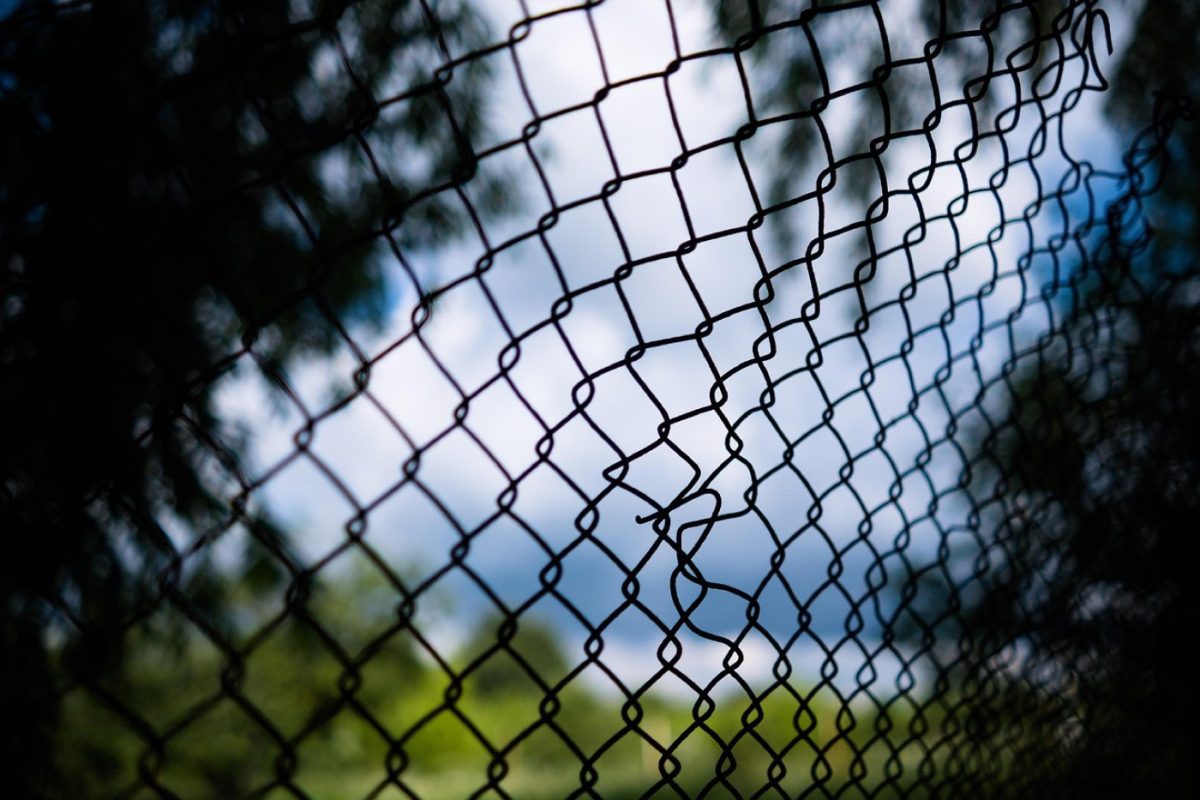
This guide compares low-maintenance fence options to help homeowners pick a material that matches durability, upkeep needs, aesthetic goals, budget posture, and local constraints. The list below was compiled by weighing required upkeep, resistance to weather, structural needs, appearance, relative cost, and HOA/permit compatibility; sources are cited at the end (consulted 04/09/2026). This page does not provide local estimates, installation instructions, or vendor recommendations.
Method and criteria used for the ranking
The ranking relies on six practical criteria chosen for owners seeking minimal upkeep. Each criterion is summarized so readers know what mattered and why.
1) Maintenance required — frequency and type of routine care (cleaning, repainting, periodic treatments). This is primary because the query prioritizes low-effort ownership.
2) Durability against weather — resistance to UV, moisture, rot, and corrosion. Guides and retailer resources highlight how materials behave over time under exposure.
3) Structural strength and reinforcement needs — importance of posts, rails, and wind resistance even for low-maintenance systems. Several sources stress that structure matters for long-term performance.
4) Aesthetic flexibility — whether the material can deliver privacy, decorative styles, or natural wood appearance without heavy upkeep.
5) Relative cost and long-term value — considered qualitatively (initial capex versus ongoing upkeep) without listing prices.
6) Compatibility with local rules and HOA standards — some materials are commonly accepted while others may face restrictions; verifying codes and covenants is recommended.
Notes on scope and limits
This page focuses on material types and common variants: vinyl (PVC), composite, aluminum (powder-coated), galvanized or powder-coated steel, chain-link with vinyl coating, fiber-reinforced polymer/advanced synthetics, and cedar or pressure-treated wood with low-maintenance finishes. The comparison does not attempt to list every model or brand.
Local costs per linear foot, precise life-span figures, market share data, and supplier recommendations are not provided here because those items require localized, dated sourcing. See the “What we don’t know” block at the end for specifics.
Vinyl (PVC) fence
Who it’s for — Homeowners who want a “no-paint” option for privacy panels or picket styles and prefer a clean, low-effort finish.
What distinguishes it — Retailer and renovation guides commonly present vinyl as a low-maintenance solution that resists common weather effects and cleans with water and mild detergent. Vinyl panels are sold in privacy and picket variants, and higher-quality systems include reinforced rails or internal stiffeners to improve wind resistance. The sources used discuss vinyl as a frequent recommendation for residential yards where owners want minimal repainting or staining tasks.
Limitations — Vinyl performance depends on product quality and installation. Lower-grade panels may deform under extreme heat or underperform in high-wind exposures if structural reinforcement is insufficient. Inspect anchor and post details if wind or heavy loads are a concern. Vinyl is less suitable where a true wood appearance that ages naturally is desired; some homeowners find the manufactured look less warm than natural wood.
Composite fencing (wood-plastic composite)
Who it’s for — Owners seeking the look of wood with reduced sanding, staining, and rot concerns, willing to accept higher up-front cost for less routine care.
What distinguishes it — Composite blends of wood fibers and polymers are described in renovation guides as offering a wood-like appearance while minimizing issues like rot and insect damage. These products are often promoted for lower annual maintenance compared with raw wood: no regular painting or staining is required, and many panels resist moisture-related breakdown. Guides highlight composite for privacy panels and decorative applications where appearance matters.
Limitations — Composite typically carries a higher initial price than basic wood or vinyl. Appearance can vary between product lines, and composite is not completely maintenance-free: surface cleaning and occasional stain removal may be needed. Availability and color choices also differ by manufacturer, so matching replacements or extensions can be more complex than with standard lumber.
Aluminum ornamental fence (powder-coated)
Who it’s for — People wanting a decorative, corrosion-resistant perimeter that requires little upkeep and provides a refined, open appearance rather than full privacy.
What distinguishes it — Aluminum fencing is lightweight and naturally resistant to rust; powder-coated finishes add durability and color stability. Sources describe it as suitable for decorative boundaries, pool fencing, and yards where visibility and curb appeal are priorities. Because it does not rot, it reduces maintenance tasks associated with wood such as staining or sealing.
Limitations — Aluminum offers limited privacy compared with solid panels and typically won’t perform as a containment barrier for large, determined animals unless designed with specific picket spacing and height. Structural rigidity can be less than that of heavier steel panels, so design and installation must account for wind loads where relevant.
Galvanized or powder-coated steel
Who it’s for — Homeowners needing a stronger metal fence with a more secure or industrial look and who accept a heavier structure.
What distinguishes it — Steel systems treated with galvanization or powder coating are presented as very robust; protective coatings reduce the need for frequent corrosion control compared with untreated metal. Guides in the material comparison category note that these treated metal systems can combine strength with reduced surface maintenance relative to untreated steel.
Limitations — If protective coatings are compromised by scratches or impacts, localized rust can occur. Steel panels and posts are heavier and generally more costly than lighter metals; handling and installation require suitable fittings and foundations. Periodic inspection of coated surfaces is advised to catch any coating damage early.
Chain-link with vinyl coating
Who it’s for — Owners with tight budgets who want durable perimeter demarcation that remains low-effort over time.
What distinguishes it — Chain-link is highlighted by industry guides as among the most economical and low-maintenance fencing types. A vinyl coating on the wire improves aesthetics and corrosion resistance while keeping the original advantages of chain-link: minimal cleaning needs and straightforward repairs for localized damage.
Limitations — Chain-link provides little privacy and is less suitable where a finished, high-end look is desired. It is not the preferred choice for homeowners prioritizing seclusion or a natural wood appearance. For neighborhoods with strict aesthetic covenants, chain-link may be less accepted.
Fiber-reinforced polymer / advanced synthetic panels
Who it’s for — Buyers seeking engineered synthetic panels that emphasize durability and structured performance with minimal routine work.
What distinguishes it — Synthetic panels reinforced with fiber or specialized polymers are described in renovation sources as high-strength, low-maintenance alternatives that avoid painting and resist common degradation modes. These panels aim to combine engineered resilience with design flexibility for privacy or decorative use.
Limitations — Advanced synthetic options can be less widely available and may carry higher purchase prices. Product variety differs by region and supplier, which can limit matching or replacement options. Technical specifications and warranty details vary across manufacturers, so comparing product documentation is advisable before purchase.
Cedar or pressure-treated wood with low-maintenance finish (hybrid approach)
Who it’s for — Homeowners who want the natural wood appearance but prefer to limit ongoing sanding and repainting through treated lumber or modern finishes.
What distinguishes it — Wood species like cedar and pressure-treated lumber retain the visual warmth of wood while modern low-maintenance finishes and treatments reduce the frequency of deep refinishing. Renovation guides emphasize that choosing stabilized or treated wood and applying contemporary protective coatings can meaningfully cut classic wood upkeep tasks compared with untreated lumber.
Limitations — Even treated wood requires periodic inspection and intermittent upkeep; it is not a zero-maintenance solution. Exposure to moisture and ground contact remains a risk factor for decay if installation details and drainage are not addressed. Owners choosing wood should plan for occasional care to preserve appearance and structural integrity.
How to choose based on common priorities
Prioritize criteria according to what matters most. For privacy and a uniform panel look, vinyl or composite often answer the need with low routine care. For visual ornamentation and minimal surface upkeep, aluminum performs well. For maximum structural strength with treated coatings, galvanized or powder-coated steel is appropriate.
Budget-driven decisions often favor chain-link with vinyl coating for durable, minimal-effort boundaries, while homeowners seeking a natural look but less sanding or painting may prefer composite or treated cedar. Always confirm HOA rules and municipal permit requirements before purchasing, and factor in post and foundation quality: good structure extends the performance of any low-maintenance material.
Minimal upkeep practices that make low-maintenance materials last longer
Simple routines reduce long-term tasks: rinse panels with a garden hose and mild detergent for surface grime, inspect posts and fasteners seasonally, and repair damaged coating or boards promptly. For metals, check coated surfaces for chips; for synthetics and vinyl, verify that reinforcement components remain intact. Following manufacturer care recommendations preserves finishes and performance.
When in doubt about structural adequacy, consult installation guidance from the product supplier or a local professional; structural shortcomings, not material choice alone, are a frequent cause of premature issues in otherwise low-maintenance systems.
Summary table
| Material | Maintenance required | Principal advantage | Main limitation | Ideal for |
|---|---|---|---|---|
| Vinyl (PVC) | Low | No painting, easy cleaning | Can deform if low quality or poorly reinforced | Privacy panels or low-effort picket styles |
| Composite | Low | Wood-like look with less rot/insect issues | Higher initial cost, not entirely maintenance-free | Wood appearance without frequent staining |
| Aluminum (powder-coated) | Low | Lightweight, corrosion-resistant, decorative | Limited privacy, less rigidity than heavy metals | Decorative boundaries, pool fencing |
| Galvanized / powder-coated steel | Low to medium | High strength with protective coatings | Coating damage can lead to rust; heavier structure | Security-oriented metal fencing |
| Chain-link with vinyl coating | Very low | Economical, durable, easy upkeep | Minimal privacy, less refined aesthetic | Budget perimeter demarcation |
| Fiber-reinforced polymer / advanced synthetics | Low | Engineered durability, minimal surface care | Limited availability, higher cost | High-performance synthetic panels |
| Cedar / treated wood with low-maintenance finish | Medium | Natural wood appearance with reduced sanding/painting | Still requires periodic inspection and touch-ups | Homeowners valuing wood aesthetics |
Sources and further reading
Types of Fences — The Home Depot. https://www.homedepot.com/c/ab/types-of-fences/9ba683603be9fa5395fab90982b21b1 — consulted 04/09/2026.
How to install a vinyl fence — The Home Depot. https://www.homedepot.com/c/ah/how-to-make-install-a-vinyl-fence/9ba683603be9fa5395fab9011bd2cabd — consulted 04/09/2026.
Privacy Fence Ideas — This Old House. https://www.thisoldhouse.com/lawns/privacy-fence-ideas — consulted 04/09/2026.
Low-Maintenance Exterior Material Options — This Old House. https://www.thisoldhouse.com/siding/low-maintenance-exterior-building-materials — consulted 04/09/2026.
Fence Material Comparison: Wood, Vinyl, Aluminum, Chain Link, and Composite — Fence Contractor Pros. https://fencecontractorpros.com/guides/fence-material-comparison — consulted 04/09/2026.
What Low-Maintenance Fence Is Best for Each Job? — Fence Report. https://www.fencereport.com/articles/low-maintenance-fence — consulted 04/09/2026.
Synthetic fence — Wikipedia. https://en.wikipedia.org/wiki/Synthetic_fence — consulted 04/09/2026.
Trex / composite technical brochure (comparative maintenance). https://www.homedepot.com/hdus/en_US/DTCCOM/HomePage/Specialty/Brand_Pages/LumberComposites/TREX/pdf/HowToSelect_Decking_Railing.pdf — consulted 04/09/2026.
Fencepost Magazine (American Fence Association), Best of 2024. https://www.americanfenceassociation.com/files/fencepost_202407_53411.pdf — consulted 04/09/2026.
What we don’t know
This page does not provide local cost figures per linear foot, specific lifespan numbers for each product, market share or installation counts, or a definitive “best value” ranking based on price. Local permit and HOA restrictions vary by jurisdiction and must be confirmed locally. Manufacturer-specific warranty terms and performance data are not included here unless cited in the sources above. For localized estimates, exact life expectancy, or vendor lists, consult local codes and suppliers directly.

Rédactrice · clôtures, portails, aménagements extérieurs
Laura couvre les tendances et innovations en matière de clôtures et portails de jardin. Elle prend soin de vérifier les informations en consultant des sources fiables et en croisant plusieurs avis avant de publier.
Les questions traitées dans cette fiche
Dans la même zone : Materials et Design

8 étapes5 min de lecture
Materials et Design
7 étapes9 min de lecture
Materials et Design
12 étapes9 min de lecture
Materials et Design
10 étapes7 min de lecture
Materials et Design