Materials et Design
Meilleurs matériaux de clôture pour maisons : guide comparatif
Compare les sept matériaux de clôture résidentielle, les critères (intimité, durabilité, entretien, coût) et les avantages pour choisir selon piscine, animaux o
Laura Dufresne 6 min de lecture
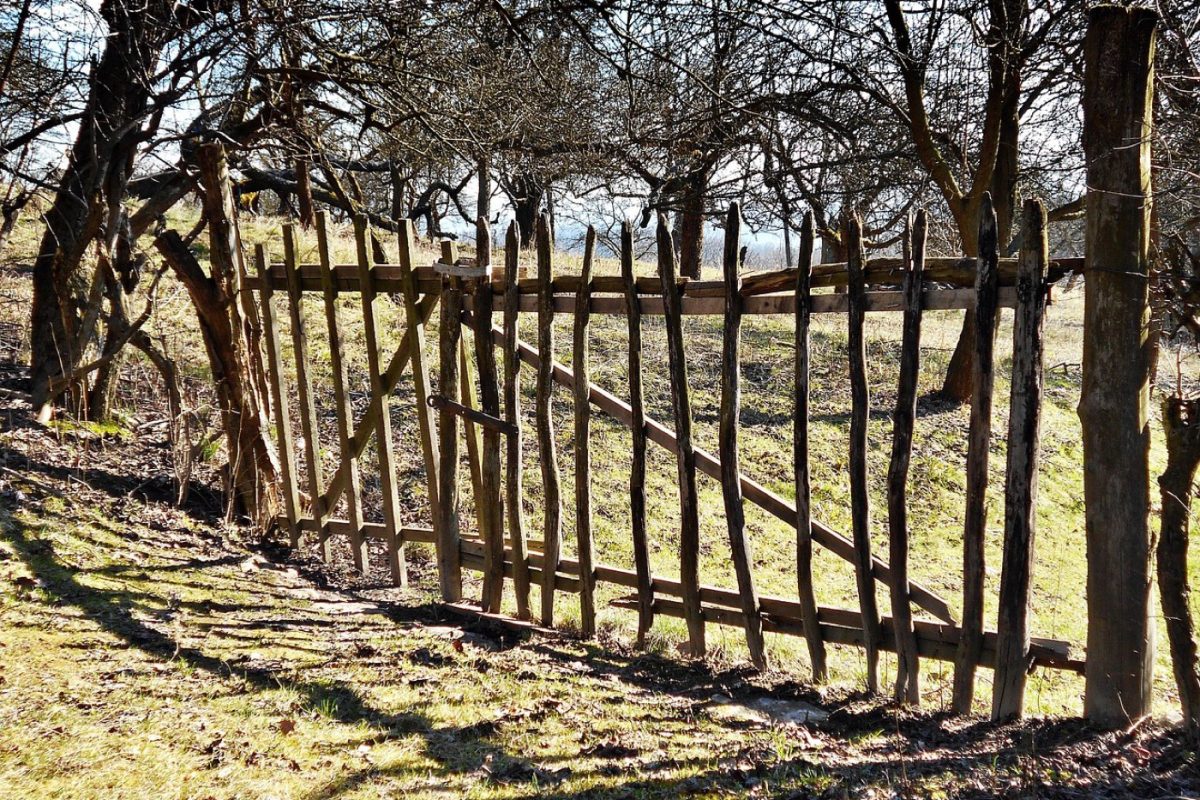
This guide compares common residential fencing materials, explains the criteria used, and ranks seven widely used options with practical pros and cons and sources so homeowners can pick the right material for privacy, decoration, pools, or pets.
Introduction

This page lists the most common fencing materials for homes, explains the evaluation criteria, and presents a ranked selection of seven materials with clear pros and cons and references. A comparison table follows to help you scan suitability, durability, maintenance, cost category, and privacy level.
Criteria used for the ranking
The ranking rests on explicit, qualitative criteria that reflect typical homeowner priorities. Each criterion is followed by a short justification and a note on how it influenced the ranking.
- Primary use (privacy, decorative, pool, pet containment): Function drives material choice; some materials excel at privacy while others are mainly decorative. This criterion carries significant weight in the ranking.
- Durability / longevity: Resistance to weather, corrosion, and insects affects lifecycle and long-term value. Durability is a high-weight criterion.
- Maintenance required: Frequency of painting, staining, cleaning, or repairs impacts ongoing cost and homeowner time. This is a medium-weight criterion.
- Installation cost category (qualitative: low/medium/high): Installation finance is a major practical constraint; only qualitative categories are used here to avoid unsourced numeric claims.
- Aesthetic / customization options: Styles, finishes, and color options matter for curb appeal and neighborhood fit. This is a medium-weight criterion.
- Safety / regulatory suitability: Suitability for pool enclosures, containment for pets, or visibility needs. This criterion is treated qualitatively and flags materials that commonly meet pool or pet safety needs.
- Environmental impact / recyclability: When relevant, recyclability or use of recycled content is considered as a tie-breaker for sustainability-minded buyers.
Ranking of materials
Each entry below follows the structure: “Who it fits”, “What sets it apart”, “Honest limit(s)”, and source(s). The list covers seven core materials commonly used in residential settings.
Wood (cedar / pressure‑treated)
Who it fits: Homeowners seeking a traditional, warm look and customizable privacy panels.
- What sets it apart: Natural appearance, versatility in styles and heights, and strong aesthetic appeal for yards and privacy fences.
- Limit(s): Requires regular maintenance such as staining or painting and is more vulnerable to insect and moisture issues than some metal or composite options.
- Sources: This Old House; The Home Depot; Renovetted.
Vinyl / PVC
Who it fits: Homeowners who want low maintenance, consistent appearance, and privacy panels without repeated staining or painting.
- What sets it apart: Low maintenance compared with wood, available in solid privacy styles, and resistant to rot and insect damage.
- Limit(s): Aesthetic options differ from natural wood; heat and some climate conditions can affect appearance; long-term performance comparisons vary by product.
- Sources: The Home Depot; Renovetted; Fence Contractor Pros.
Composite (wood‑plastic composite)
Who it fits: Homeowners seeking a wood-like look with reduced maintenance and improved durability.
- What sets it apart: Designed to mimic wood while offering lower routine care; often promoted as durable and attractive.
- Limit(s): Product formulations differ; lifecycle and maintenance needs depend on specific composite systems and manufacturer claims.
- Sources: Fence Contractor Pros; Renovetted.
Aluminum (powder‑coated)
Who it fits: Homeowners wanting a decorative, corrosion‑resistant metal fence suitable for pool surrounds and ornamental borders.
- What sets it apart: Decorative style similar to wrought iron but with less corrosion risk; commonly used for pools and ornamental boundaries.
- Limit(s): Offers limited privacy compared with solid panels and is typically chosen for decorative or boundary purposes rather than full privacy.
- Sources: Wikipedia (Aluminum fencing); This Old House.
Steel / Wrought iron (ornamental)
Who it fits: Homeowners seeking traditional ornamental fencing, strong security, or a historic look.
- What sets it apart: Strong, ornamental presence and a classic appearance; durable structural properties when maintained.
- Limit(s): Requires corrosion management and is not naturally privacy-oriented unless combined with infill panels or landscaping.
- Sources: This Old House; Renovetted.
Chain‑link (galvanized / vinyl‑coated)
Who it fits: Buyers prioritizing affordability, durability, and low maintenance for boundary definition or pet containment.
- What sets it apart: Very affordable relative to many other options, durable, and low maintenance; vinyl‑coated variants improve appearance and corrosion resistance.
- Limit(s): Offers low privacy and is often considered less decorative for residential front yards.
- Sources: This Old House; True Fence Florida.
Masonry / Stone / Brick
Who it fits: Homeowners wanting a permanent, high‑privacy boundary with a premium, solid look.
- What sets it apart: Solid privacy and a durable, long‑lasting structure with strong aesthetic impact and high perceived value.
- Limit(s): Typically higher installation impact and permanence; not a low‑cost or quick solution compared with panel systems.
- Sources: The Home Depot; Renovetted.
Comparison table
The table below summarizes recommended usage, a qualitative durability assessment, maintenance level, installation cost category, privacy level, and quick notes such as pool suitability or pet containment.
| Material | Usage recommended | Durability | Maintenance | Installation cost | Privacy | Notes |
|---|---|---|---|---|---|---|
| Wood (cedar / pressure‑treated) | Privacy, decorative | Medium | High | Medium | High | Traditional look; customizable |
| Vinyl / PVC | Privacy, low maintenance | Medium | Low | Medium | High | Good privacy without staining |
| Composite (WPC) | Privacy, wood‑like appearance | High | Low | High | High | Low upkeep; imitates wood |
| Aluminum (powder‑coated) | Decorative, pool | High | Low | Medium | Low | Ornamental; pool‑friendly |
| Steel / Wrought iron | Ornamental, security | High | Medium | High | Low | Classic look; needs corrosion care |
| Chain‑link (galvanized / vinyl‑coated) | Boundary, pets, budget | High | Low | Low | Low | Affordable; low privacy |
| Masonry / Stone / Brick | High privacy, permanence | High | Low | High | High | Durable and permanent |
How to choose based on your situation — quick checklist
- Define your top priority: privacy, budget, low maintenance, decoration, pool safety, or pet containment.
- Match priority to material categories above: privacy → wood/vinyl/composite/masonry; pool or decoration → aluminum/ornamental metal; budget and durability → chain‑link.
- Consider climate exposure and local conditions that affect durability and maintenance needs.
- Check homeowner association rules or neighborhood expectations before finalizing style choices.
- For permits or legal questions, contact your local building department rather than relying on general guidance here.
- Get multiple installation quotes if hiring a contractor; compare materials based on the criteria listed rather than price alone.
What we don’t know
The items listed below were not established during preparation of this guide and require local or product‑specific research:
- Exact lifespan in years for each product or branded system without a manufacturer source showing those figures.
- Installation cost per linear foot or per project for 2026 in specific ZIP codes or local markets.
- Precise product specifications such as vinyl or composite thickness (mils) without manufacturer technical sheets.
- National market‑share statistics by material for fence installations that were not found in the listed sources.
Sources (URLs and consultation date)
- This Old House — How to Choose and Put Up a Fence
- This Old House — Privacy Fence Ideas / Choosing materials
- Angi — How to Choose the Best Fence for Your Yard
- The Home Depot — Types of Fences
- Fence Contractor Pros — Fence Material Comparison
- Renovetted — Fencing Materials Comparison: Cost, Pros & Cons (2026)
- Wikipedia — Aluminum fencing
- Complete Custom Fence — The Ultimate Fence Buyers Guide (PDF)
- True Fence Florida — Compare Fence Materials
- American Fence Association — Fencepost Magazine / industry perspectives

Rédactrice · clôtures, portails, aménagements extérieurs
Laura couvre les tendances et innovations en matière de clôtures et portails de jardin. Elle prend soin de vérifier les informations en consultant des sources fiables et en croisant plusieurs avis avant de publier.
Les questions traitées dans cette fiche
Dans la même zone : Materials et Design

8 étapes5 min de lecture
Materials et Design
7 étapes9 min de lecture
Materials et Design

12 étapes9 min de lecture
Materials et Design
10 étapes7 min de lecture
Materials et Design