Materials et Design
Clôture à treillis métallique galvanisée
Définition, méthodes de galvanisation du fil et du grillage, normes, finitions et entretien pratique pour une clôture en treillis métallique galvanisée.
Laura Dufresne 7 min de lecture
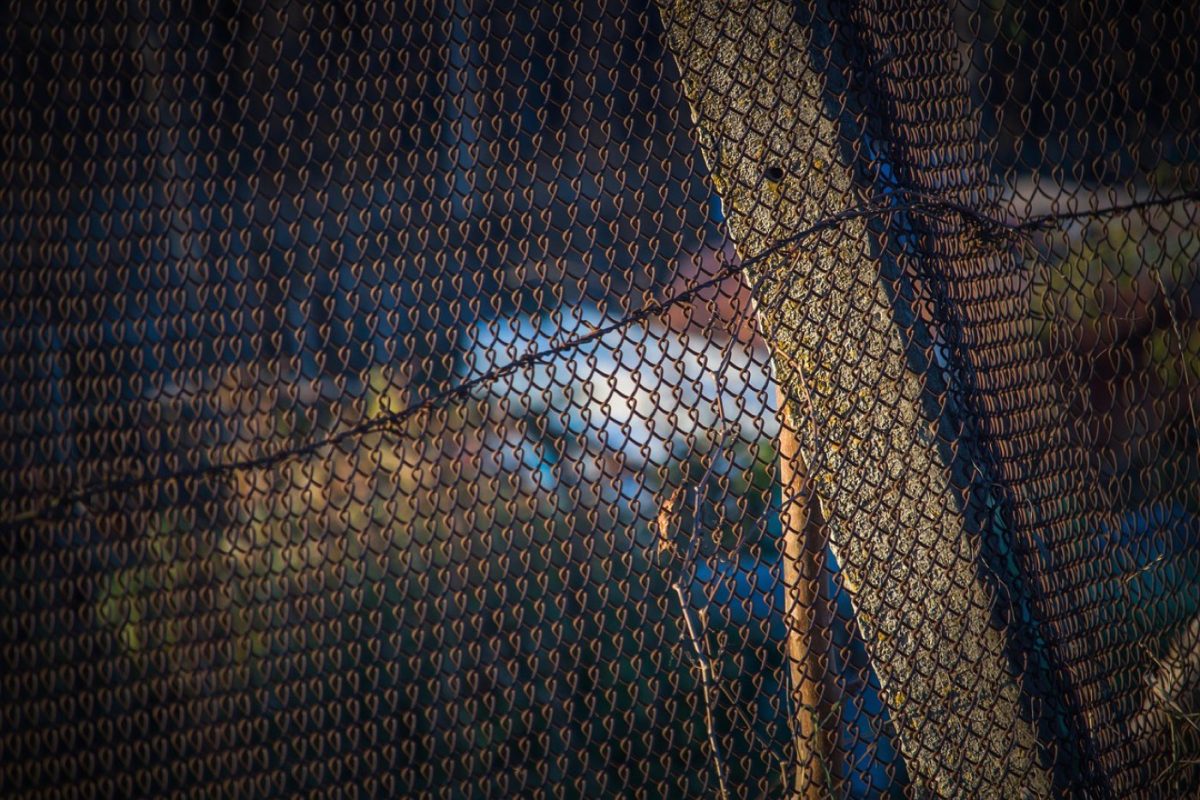
A galvanized chain‑link fence is a woven steel mesh made from zinc‑coated wire; the zinc coating protects the steel from corrosion and can be applied either before or after the fabric is woven. This page defines the common terms, explains how galvanizing is carried out on wire and fabric, summarizes the main standards to check, compares common finishes and alternatives, and lists practical inspection and maintenance points to read on a product data sheet.
What is a “galvanized chain‑link fence”?
Chain‑link fencing is a diamond‑mesh fabric formed by interlacing steel wire into a continuous fence panel. When described as galvanized, the wire or the finished fabric carries a zinc coating intended to slow or prevent rusting of the steel substrate. The zinc layer acts as a barrier and provides sacrificial protection where the coating is intact.
Common names for this system include chain‑link, cyclone fence, and diamond‑mesh fence. Variants in the market may be described by the timing and type of zinc application (for example, hot‑dip galvanized, electro‑galvanized, or galvanized after weaving, abbreviated GAW), or by the presence of an additional polymer coating over the zinc (often called vinyl coated or PVC coated).
The role of galvanizing is protection rather than cosmetic finish. The choice between galvanizing methods and any overcoat affects corrosion resistance, appearance, and maintenance needs; later sections explain the practical differences and what to look for on technical documentation.
The galvanizing processes applied to wire and fabric
Two principal galvanizing processes are described in the technical literature: hot‑dip galvanization and electrogalvanization. Hot‑dip galvanization involves immersing the steel in molten zinc, producing a metallurgical bond and generally a thicker zinc layer. Electrogalvanization deposits zinc by electroplating and typically yields a thinner coating.
The zinc application can occur at different stages. Wire may be galvanized before it is woven into fabric, or the woven fabric may be galvanized after weaving (GAW). Galvanizing after weaving coats the assembled fabric and can help seal cut ends and interlaced joints; galvanizing the wire before weaving leaves the wire protected but may expose fresh cut edges during fabrication.
Related terms that appear in specifications include galvannealed (a zinc‑iron alloy produced by heat treating a hot‑dip coating) and vinyl/PVC overcoatings applied to galvanized wire or fabric. These terms are commonly used by manufacturers and specification sources and are noted on data sheets and standards references.
Standards and specifications to know
Several ASTM standards and related specification references are repeatedly cited for chain‑link fencing components and installation. The page’s sources mention the following standards and the general items they cover:
- ASTM A817 / A392 — referenced in relation to zinc‑coated wire and fabric for chain‑link (wire and fabric characteristics).
- ASTM A123 / A653 — referenced for galvanizing of steel parts and zinc‑coated products used on components.
- ASTM F567 — referenced as the installation/erection guide often used for fence installation and for repair practices.
These documents are standards published by ASTM and are typically consulted in their published form. Project specifications and product data sheets will cite the specific ASTM numbers and the edition or date. If a data sheet or proposal names one of the ASTM numbers above, that indicates which aspects of wire, fabric, or galvanized components were intended to meet a recognized specification.
Practically, when evaluating a technical sheet or bid, check that the document references the relevant ASTM numbers and, if given, the class or mass of zinc specified. The standards themselves are available from ASTM and other specification repositories; the referenced pages note that the ASTM items are consultable through ASTM or construction specification services.
Finishes, coatings, and material alternatives
Finishes for chain‑link fencing often combine a zinc coating with an optional polymer overcoat. Typical commercial descriptions contrast plain galvanized fabric with fabric that is galvanized and then coated with vinyl or polyester. The polymer overcoat primarily serves appearance and additional corrosion resistance, and it reduces visible maintenance in many applications.
When corrosion exposure is particularly high, specifications and engineering guidance list alternatives to galvanized steel, such as aluminum or stainless steel. Guidance for high‑corrosion environments notes that heavier zinc coatings or alternative base metals may be selected to extend service in marine or otherwise aggressive conditions; the WBDG fencing knowledge area and DoD guidance referenced in the sources discuss corrosion considerations and when to prefer heavier coating classes or alternative materials.
Advantages and limitations by application and environment
Advantages commonly attributed to galvanized chain‑link are its corrosion protection provided by the zinc layer and its widespread availability as a fencing system. Compared with some alternative materials, galvanized chain‑link is often presented as a cost‑effective baseline option; the sources contrast galvanized fencing with stainless or aluminum alternatives without assigning numeric life or cost values.
Limitations depend on the galvanizing method and the environment. Hot‑dip coatings are described as providing a thicker layer and generally better resistance in aggressive environments such as coastal locations. Electrogalvanized coatings are typically thinner. Connections, fittings, or accessories that are not galvanized to compatible standards can create galvanic or localized corrosion points; good practice is to verify that posts, rails and fittings are specified to compatible galvanizing standards.
Inspection, maintenance, and repair considerations
Routine maintenance described in practical guides consists of periodic cleaning, inspection for corrosion at cut ends or at fittings, and repainting or priming where repairs are needed. For painted repairs on galvanized surfaces, primers formulated for use on galvanized metal are recommended in common maintenance literature.
Vinyl or polyester overcoatings reduce exposure of the zinc to the atmosphere and therefore can reduce maintenance frequency for appearance and corrosion control. When components are replaced or repaired, ensure replacement parts carry equivalent galvanizing or coating specifications; mismatched coatings create weak points.
How to read a technical data sheet or proposal
Key items to verify on a data sheet, product label, or vendor specification include:
- Which galvanizing method is stated (hot‑dip, electrogalvanized, or galvanized after weaving).
- Reference to relevant ASTM numbers or other normative documents (for example, ASTM A817 / A392 for fabric or ASTM A123 / A653 for galvanizing of components).
- Whether accessories and fittings (posts, rails, ties, tension wire) are galvanized to the same referenced standards.
- Gauge or diameter of the wire and whether the fabric was galvanized before or after weaving (GAW).
If the technical sheet cites the ASTM numbers noted above, request the edition or date if necessary; the standards themselves provide the normative definitions of coating classes and test methods.
Resources and official references
The following references were used to compile the definitions, process descriptions, and normative pointers on this page:
- Wikipedia — Chain‑link fencing. Consulted the 04/09/2026 entry.
- Wikipedia — Galvanization. Consulted the 04/09/2026 entry.
- ASTM — A817 standard page. Consulted 04/09/2026.
- The NBS/ASTM listing for A392. Consulted 04/09/2026.
- ChainlinkFencing.org — Chain Link Fence Fabric technical overview. Consulted 04/09/2026.
- WBDG — Fencing Knowledge Area (corrosion considerations). Consulted 04/09/2026.
- Sweets / Construction spec excerpt referencing ASTM items. Consulted 04/09/2026.
- Fence Pros — explanation of galvanized finishes. Consulted 04/09/2026.
- This Old House — guidance on painting and maintenance for chain‑link. Consulted 04/09/2026.
- The Home Depot — example product listing for galvanized chain‑link fabric. Consulted 04/09/2026.
- NCPC project documentation referencing ASTM A392. Consulted 04/09/2026.
- Polyvinyl C brochure on coatings and processes. Consulted 04/09/2026.
- Kansas DOT construction specification references for galvanizing standards. Consulted 04/09/2026.
Quick reference definitions (block for citation)
| Term | Short definition |
|---|---|
| Hot‑dip galvanized | Steel immersed in molten zinc to form a thick zinc coating. |
| Electrogalvanized | Zinc deposited by electroplating, typically a thinner coating. |
| Galvanized after weaving (GAW) | Fabric is galvanized once the wire has been woven into mesh. |
| Vinyl/PVC coated | A polymer layer applied over galvanized wire or fabric for appearance and added protection. |
What we do not claim or provide
This page does not state or estimate product service life in years, does not provide specific zinc‑mass values for coating classes unless quoted directly from a product or standard, does not supply pricing or cost comparisons, and does not give local legal or zoning recommendations. For installation rules and detailed repair procedures, consult ASTM F567 and the full ASTM standards referenced above.

Rédactrice · clôtures, portails, aménagements extérieurs
Laura couvre les tendances et innovations en matière de clôtures et portails de jardin. Elle prend soin de vérifier les informations en consultant des sources fiables et en croisant plusieurs avis avant de publier.
Les questions traitées dans cette fiche
Dans la même zone : Materials et Design

8 étapes5 min de lecture
Materials et Design
7 étapes9 min de lecture
Materials et Design
12 étapes9 min de lecture
Materials et Design
10 étapes7 min de lecture
Materials et Design