Outils et Produits
Choisir la quincaillerie et les serrures pour portails
Guide pour sélectionner charnières, loquets et serrures selon matériau, sécurité et environnement, avec checklist d'installation et conseils d'entretien
Laura Dufresne 8 min de lecture
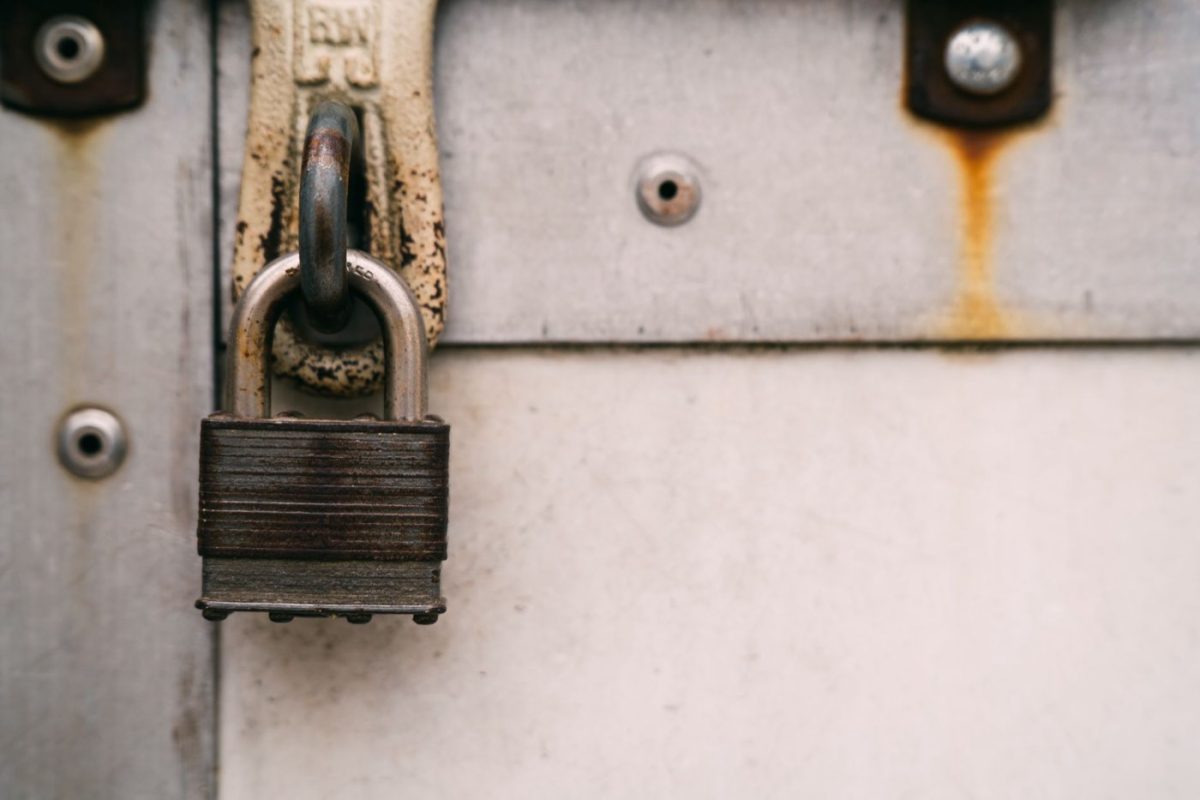
Choosing gate hardware and locks affects function, safety, and how long a fence lasts. This guide explains components, material compatibility, security options, installation basics, and practical checklists to help homeowners and advanced DIYers pick the right quincaillerie for a residential gate.
- Why the choice of gate hardware matters
- Components: hinges, stops, latches, locks, bolts, and strikes
- Choosing by gate material (wood / aluminum / steel / PVC / composite)
- Technical criteria to evaluate
- Locks and security: mechanical, electrified, and smart options
- Special cases: sliding gates, double-swing gates, motorized gates
- Regulation & child/pool safety (general advice)
- Installation and maintenance: pre-buy checklist and basic steps
- Common errors to avoid
- Recommended hardware by common use profiles (checklist)
- FAQ
- Resources & links
- What we don’t know
Why the choice of gate hardware matters

Gate hardware defines how a gate moves, how it locks, and how long it stays aligned. Properly chosen hinges and latches maintain alignment and reduce stress on posts. The right locks balance access and security without overloading the frame.
Durability and finish affect corrosion resistance in wet or salty environments. Aesthetic choices influence visible components, but function should drive selection: mismatched hardware can lead to sagging, jammed locks, or accelerated wear.
This page is an editorial guide, not professional advice. For structural instability or complex automation, contact a licensed installer or engineer.
Components: hinges, stops, latches, locks, bolts, and strikes
Hinges: common variants include strap (tee) hinges and butt hinges. Self-closing hinges exist for gates requiring automatic return. Choose hinge style according to mounting method and the gate’s expected weight and width. Manufacturers and guides describe hinge selection by gate weight, width, and mounting type (bolt-on, weld-on, bracket). See Fence Report on hinges for details (consulted 04/09/2026).
Latches and locks: typical options are ring latches, slide bolts (gate bolts / barrel bolts), deadbolt-style locks adapted for gates, and key locks. Slide or barrel bolts and ground bolts provide mechanical retention and can accept a padlock when appropriate. Some latches allow operation from both sides; others are one-sided for privacy.
Strikes and catches (gâches) are the receiving hardware for a latch or lock. Proper alignment between strike and latch is essential to ensure smooth operation and to avoid excessive wear on either part.
Accessory hardware includes stops, ground bolts, and reinforcement plates. Ground bolts (drop bolts) secure swing leaves; stops limit swing range and protect frames.
Choosing by gate material (wood / aluminum / steel / PVC / composite)
Wood gates: require corrosion-resistant fasteners and allowance for seasonal movement. Use long stainless or coated screws where possible and consider reinforcement plates at hinge attachment points. Wood frames may need backing plates for heavy locks to prevent tear-out.
Aluminum gates: lighter but may require hardware with compatible mounting brackets. Many aluminum frames accept magnetic locks and key-operated deadbolts if the frame has sufficient structural backing. Check manufacturer guidance for electrified lock mounting.
Steel gates: accept weld-on or bolt-on hardware. For steel, galvanizing or powder-coating reduces corrosion risk. Verify padlock shackle clearance and choose locks with bodies suited to outdoor exposure.
PVC / composite gates: fasteners should grip the frame without splitting; some installations need internal reinforcing to carry concentrated loads from hinges or locks. Consult product documentation for permitted fastener types.
Across materials, consider thermal expansion and sealing to avoid water ingress at fastener points. Sources such as All Around Fence and Decks discuss material-specific considerations (consulted 04/09/2026).
Technical criteria to evaluate
Measure and record gate width, height, and an estimate of weight or frame stiffness prior to purchase. Confirm swing direction and clearance requirements. Manufacturer installation guides specify necessary clearances; for example, some installation notices reference a 1″ clearance for certain fittings (Home Depot PDF, consulted 04/09/2026).
Fixation methods: bolt-on brackets, welded mounts, and post-mounted brackets each have implications. Bolt-on fittings simplify replacement but require solid posts and correct fastener length. Weld-on hardware requires a metal gate fabricator.
Clearance and alignment: allow specified play so the gate does not bind during seasonal movement. Misjudged clearance leads to rubbing, binding, and increased wear.
Finish and corrosion protection: select galvanized steel, stainless steel, or powder-coated finishes in corrosive environments. Guides note that coastal exposure demands higher corrosion resistance (Cookeville Fence Co, consulted 04/09/2026).
Locks and security: mechanical, electrified, and smart options
Mechanical options: ring latches, slide bolts, deadbolts adapted for gates, ground bolts. These are straightforward, low-maintenance choices. For higher physical security, choose bolts and lock bodies rated for outdoor use and check shackle clearance before buying a padlock (LockerHelp, consulted 04/09/2026).
Self-closing and auto-latching devices offer extra safety for pool areas or child protection. For pool gates, use an auto-locking latch designed to meet local safety requirements; confirm local rules before selection (Home Depot overview, consulted 04/09/2026).
Electrified options: electric strikes, electro-locks, and electric deadbolts work with interlocks or operators. Compatibility with the gate frame and the operator must be verified. Automation changes load paths on hinges and posts; planning must include the operator manufacturer’s guidance (Pinfence, consulted 04/09/2026).
Smart locks: wireless or networked locks need weatherproofing, power (battery or permanent), and mounting that matches the gate’s structure. Verify manufacturer instructions on exposure limits and electrical requirements before buying.
Special cases: sliding gates, double-swing gates, motorized gates
Sliding gates require guides, rollers, and locking solutions such as drop bolts, lockbars, or keyed lockboxes. Ensure the track is stable and free of debris to avoid misalignment of locks connected to the sliding frame.
Double-swing gates often use a keeper or interleaf bolt on the inactive leaf and a lock on the active leaf. Ground bolts or drop pins keep the inactive leaf stable. Proper sequencing between leaves prevents stress on locks and hinges.
Motorized gates: the operator interacts with mechanical locking. Many automation setups require interlocks or specialized strikes so the operator can release or secure the gate safely. An automation installer or the operator’s documentation should be consulted for compatible hardware (Pinfence, consulted 04/09/2026).
Regulation & child/pool safety (general advice)
Pool gates often require self-closing and self-latching devices compliant with local rules. This guide does not list local codes; check municipal regulations. For pool areas, prioritize auto-closing latches mounted out of reach of small children and positioned so a child cannot reach through the gate to release it.
Safety is situational—verify local code and use hardware that manufacturers specify for child/pool protection. When in doubt about compliance or legal obligations, consult local authorities or a qualified installer.
Installation and maintenance: pre-buy checklist and basic steps
- Pre-buy checklist: confirm gate dimensions, swing direction, post condition, mounting method, and compatibility with any operator or electrified lock.
- Basic installation steps: position and temporarily brace gate; attach hinges to post and gate; fit latch and strike; test movement and alignment; adjust clearances; secure fasteners.
- Maintenance routine: lubricate moving parts per manufacturer instructions, check corrosion and fastener tightness, replace worn parts promptly.
Installation manuals and product PDFs give specific tolerances and drill templates. Follow those documents for hole sizes and clearance values (Home Depot installation PDF cited in sources).
Common errors to avoid
- Buying “heavy duty” hardware without checking hinge spacing or fastener pattern—can cause misfit.
- Attaching hardware to rotted or undersized posts—leads to sag and failure.
- Ignoring corrosion risk for coastal properties—select appropriate finishes.
- Installing electric locks without verifying power and operator compatibility—may prevent proper release or create safety issues.
- Neglecting pool-gate self-closing/latching requirements—risks noncompliance and hazard.
Recommended hardware by common use profiles (checklist)
Garden/ornamental gate: strap or decorative butt hinges, a simple ring latch or slide bolt, corrosion-resistant finish.
Frequent-access side gate: robust hinges with reinforced mounting, self-closing latch if needed, lock that allows quick access.
Main entrance gate with security focus: reinforced hinges, deadbolt-style gate lock or bolting system, padlock-compatible provisions with hardened fittings.
Pool gate: self-closing hinge and an auto-latching device designed for pool safety; position and height per local guidance.
Automation-ready gate: hardware compatible with operator manufacturer’s specifications; include interlocks or specialized strikes as recommended by the operator.
FAQ
Can I put a smart lock on a wood gate?
Yes if the frame has sufficient backing and the lock’s weatherproof rating and mounting requirements are met. Check the smart lock manufacturer’s installation instructions.
How to protect hardware near the ocean?
Choose stainless or hot-dip galvanized components with powder coating and maintain finishes regularly. Higher corrosion resistance is advised for coastal exposure (Cookeville Fence Co guidance).
Resources & links
- Fence & Gate Hardware Buying Guide — Lowe’s
- Best Gate Hardware for Your Fences — The Home Depot
- Fence Gate Hinges — Fence Report
- Gate Bolt Guide — Fence Report
- Fence and Gate Hardware Guide — Cookeville Fence Co
- Installation Guide (PDF) — The Home Depot
- Metal Gate Padlock considerations — LockerHelp
- Gate automation and hardware interaction — Pinfence
- Gate lock selection overview — DoubleLock USA
What we don’t know
Search volume data for the target query is not provided. The site data bank with proprietary measurements is not available. The site voice file and any vertical expert dossier are not present. This guide does not include unsourced prices, lifespan estimates, or local legal text. For local code, precise numeric thresholds, or certified safety compliance, consult municipal authorities or product documentation.
Disclaimer: this guide is informational. It does not replace a professional inspection, structural engineering advice, or local code verification. For structural or legal certainty, contact a qualified installer or local authority.

Rédactrice · clôtures, portails, aménagements extérieurs
Laura couvre les tendances et innovations en matière de clôtures et portails de jardin. Elle prend soin de vérifier les informations en consultant des sources fiables et en croisant plusieurs avis avant de publier.
Les questions traitées dans cette fiche
Dans la même zone : Outils et Produits
4 étapes3 min de lecture
Outils et Produits
4 étapes3 min de lecture
Outils et Produits
12 étapes8 min de lecture
Outils et Produits
13 étapes9 min de lecture
Outils et Produits