Materials et Design
Avantages des clôtures composites
Découvrez les atouts des clôtures composites : aspect bois, faible entretien, durabilité et variations de performance selon la composition des panneaux.
Laura Dufresne 9 min de lecture
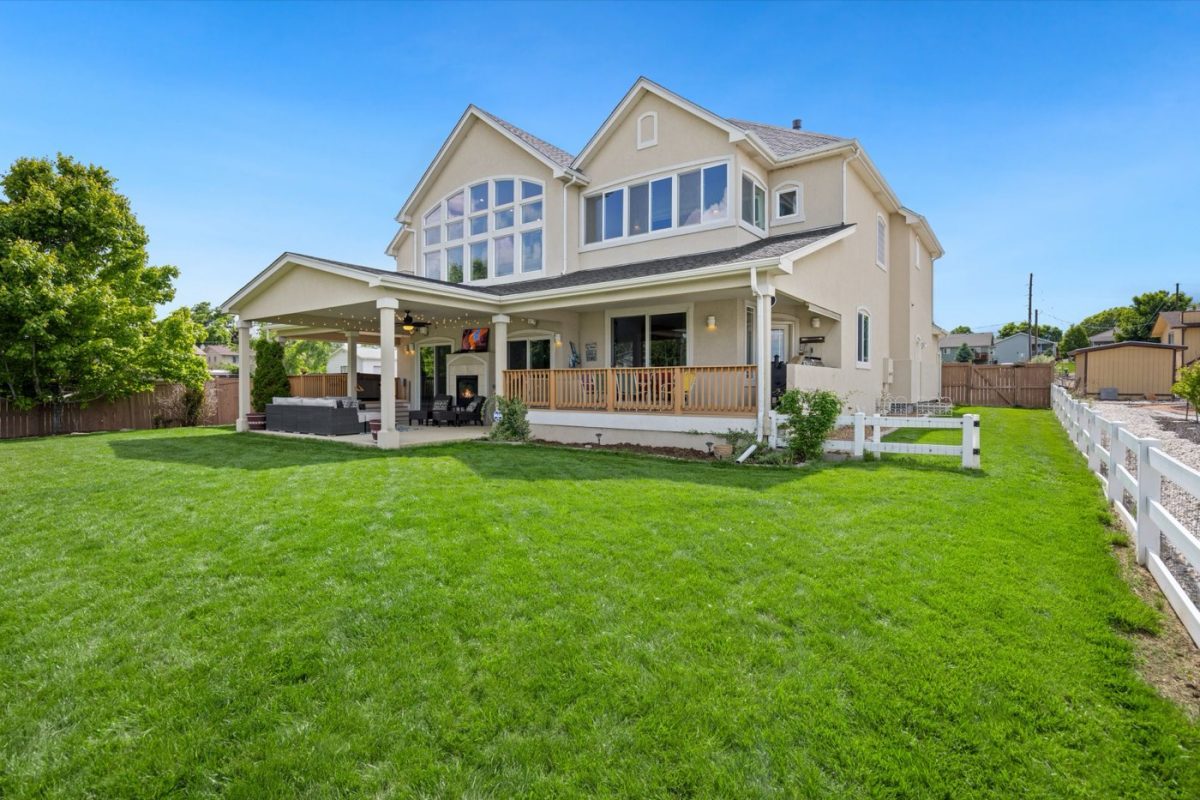
Composite fencing is a wood–plastic material marketed as a low‑maintenance alternative to traditional wood, vinyl, and metal fences; its construction, typical benefits, and trade‑offs are described below with sources cited from industry and contractor outlets (consulted 09/04/2026).
What is composite fencing?
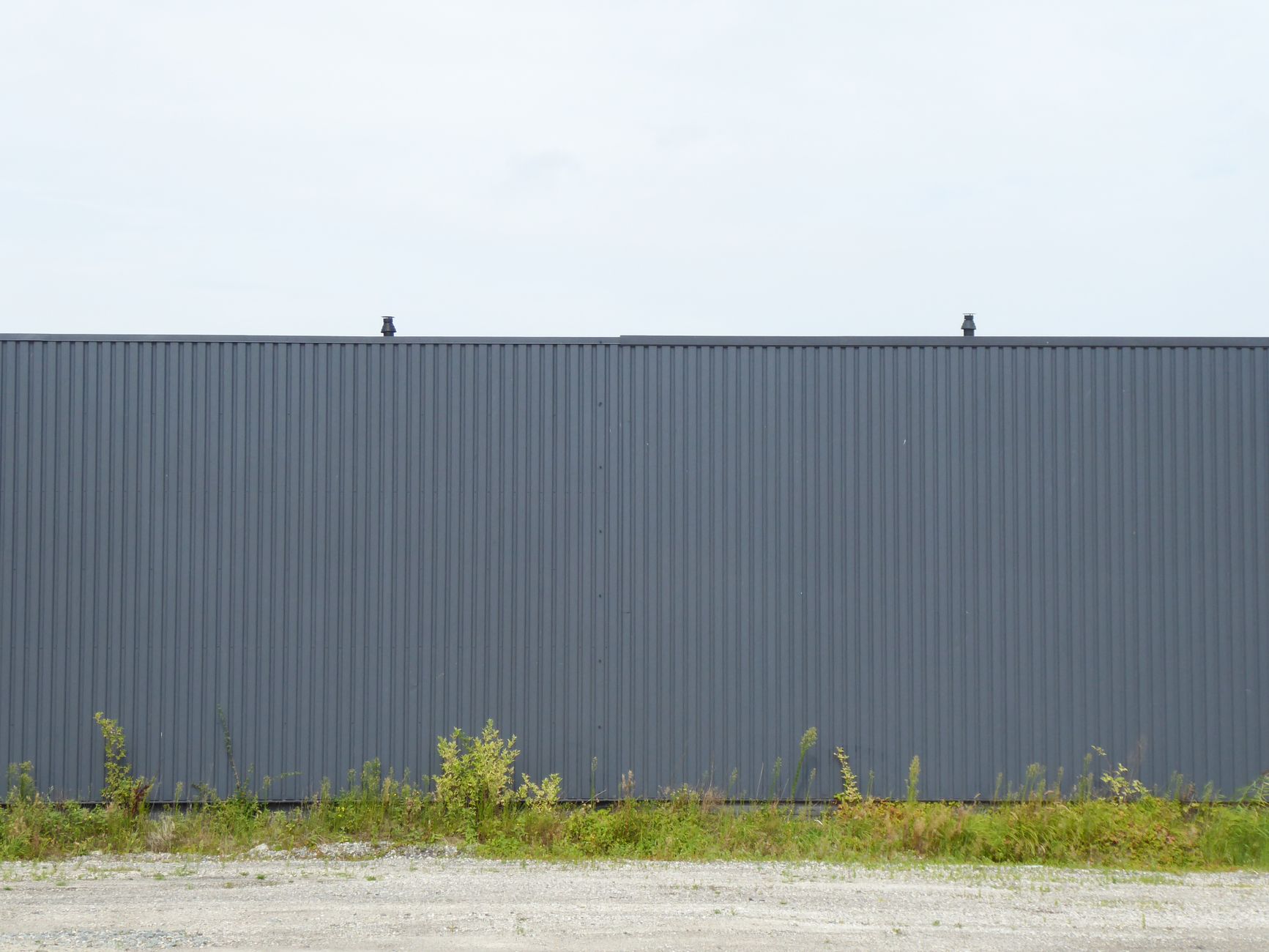
Composite fencing refers to fence products made from a blend of wood fibers (or wood flour) and plastic polymers, commonly called wood–plastic composite (WPC). Some manufacturers also produce wood‑free composite boards that rely solely on polymer formulations; product composition varies by brand and line (https://buyafence.com/composite-fence-vs-wood-fence/, consulted 09/04/2026; https://www.lastelegance.com/en/what-is-composite-fencing/, consulted 09/04/2026).
Industry sources present composite as an attempt to combine the look of wood with the durability claims of plastic-based materials. Most trade and contractor write‑ups emphasize that the term “composite” covers a range of formulations rather than a single standardized material, so performance claims are often qualified by product details (https://superarbor.io/blogs/blogs/composite-fencing-vs-wood-vinyl-amp-metal-which-is-right-for-you, consulted 09/04/2026; https://landscapingnetwork.com/fencing/vinyl-composite.html, consulted 09/04/2026).
How composite fencing is made (and why it matters)
Typical composite fence boards are produced by combining recycled or virgin plastic polymers with wood fibers or flour, then extruding or molding the mixture into boards or pickets. The presence or absence of wood fibers, the polymer type, and whether boards are solid or hollow affect moisture behavior, dimensional stability, and surface finish (https://buyafence.com/composite-fence-vs-wood-fence/, consulted 09/04/2026; https://www.lastelegance.com/en/what-is-composite-fencing/, consulted 09/04/2026).
Manufacturing choices influence resistance to rot and insects. When wood fibers are encapsulated by plastic, manufacturers and contractor sources report improved resistance to rot and pests compared with natural wood; however, the degree of resistance depends on formulation and quality control (https://buyafence.com/composite-fence-vs-wood-fence/, consulted 09/04/2026; https://fencetrac.com/fence-guide/composite-fencing-vs-wood/, consulted 09/04/2026).
Surface treatments, pigments, and protective coatings affect color retention and UV response. Some composite boards are capped or coated to reduce staining and fading; other boards rely on pigment throughout the profile. The choice between solid and hollow profiles also matters for rigidity and wind performance, and installer guidance or manufacturer datasheets should be consulted for site‑specific loading (https://landscapingnetwork.com/fencing/vinyl-composite.html, consulted 09/04/2026; https://xlfencing.com/fence-articles/composite-fences-explained-are-they-really-better-than-pvc/, consulted 09/04/2026).
Key benefits of composite fencing (evidence-based)
Durability and resistance to rot and insects: Multiple contractor and industry sources report that composite boards are marketed and observed to be more resistant to rot, insect attack, and moisture damage than untreated natural wood, though reported performance varies by product (https://buyafence.com/composite-fence-vs-wood-fence/, consulted 09/04/2026; https://fencetrac.com/fence-guide/composite-fencing-vs-wood/, consulted 09/04/2026).
Lower routine maintenance: Composite fences are typically described as requiring less routine maintenance than wood; routine staining or repainting is usually not required, though manufacturers and trade sites often recommend periodic cleaning and note possible mildew or staining under certain conditions (https://landscapingnetwork.com/fencing/vinyl-composite.html, consulted 09/04/2026; https://mecofence.com/blog/composite-fence-vs-vinyl-fence/, consulted 09/04/2026).
Warranties and expected lifespan: Industry material and contractor pages cite manufacturer warranty offerings and lifespan claims; for example, some manufacturers and trade write‑ups reference warranties of 20+ years (https://columbusfencepros.com/pros-and-cons-of-composite-fencing/, consulted 09/04/2026). Because warranties and lifespan statements differ across brands, specific warranty terms should be checked on the manufacturer’s documentation.
Aesthetics and design flexibility: Composite products commonly replicate wood fence profiles (privacy, picket, good‑neighbor styles) and are offered in a range of finishes and colors. Trade sources describe composite as an aesthetic alternative for owners seeking a uniform or contemporary wood‑like appearance without ongoing staining work (https://landscapingnetwork.com/fencing/vinyl-composite.html, consulted 09/04/2026).
Lifecycle and cost considerations: Contractor and industry commentary argues that higher upfront purchase or installation cost can be offset over time by reduced maintenance and fewer replacements; sources note that lifecycle cost parity or savings is a common selling point but that figures vary widely by region and manufacturer (https://superarbor.io/blogs/blogs/composite-fencing-vs-wood-vinyl-amp-metal-which-is-right-for-you, consulted 09/04/2026).
Environmental positioning: Many composite products incorporate recycled plastics and reclaimed wood fiber, and trade publications discuss recycled‑content claims. However, environmental impact depends on product composition and end‑of‑life options; recyclability and lifecycle impacts differ between manufacturers (https://americanfenceassociation.com/files/fencepost_202405_63613.pdf, consulted 09/04/2026).
Trade-offs and drawbacks to consider
Higher upfront price: Industry and contractor sources commonly report that composite fencing often has higher initial purchase or installation cost compared with common wood or vinyl options; exact figures vary by source and product (https://superarbor.io/blogs/blogs/composite-fencing-vs-wood-vinyl-amp-metal-which-is-right-for-you, consulted 09/04/2026).
Color fading, staining, and mildew risk: While composites are marketed as low‑maintenance, sources note potential for color fading, surface staining, or mildew in certain environments. Manufacturer cleaning recommendations are commonly cited as part of routine care (https://landscapingnetwork.com/fencing/vinyl-composite.html, consulted 09/04/2026; https://mecofence.com/blog/composite-fence-vs-vinyl-fence/, consulted 09/04/2026).
Variation in product quality: Not all composite products perform equally. The market includes WPC boards that blend wood fiber and plastic and wood‑free composites with different polymer chemistries; performance differences are noted in supplier and distributor guides (https://www.lastelegance.com/en/what-is-composite-fencing/, consulted 09/04/2026).
Repairability and end‑of‑life questions: Contractor commentary highlights that repairs may require matching product profiles and colors, and that recyclability at end of life depends on material formulation and local recycling infrastructure (https://americanfenceassociation.com/files/fencepost_202405_63613.pdf, consulted 09/04/2026).
Aesthetic preference: Some homeowners and users prefer the look and feel of real wood and may find composite finishes less authentic; consumer threads and industry blogs record mixed sentiment on appearance (https://www.reddit.com/r/FenceBuilding/comments/1s1d7y5/composite_fencing_pros_cons/, consulted 09/04/2026; https://mecofence.com/blog/composite-fence-vs-vinyl-fence/, consulted 09/04/2026).
When composite fencing is the better choice
Composite fencing is often recommended by contractors and industry writers for properties where moisture, rot, or insects are primary concerns, since composite boards are marketed as more resistant to those issues than untreated wood (https://buyafence.com/composite-fence-vs-wood-fence/, consulted 09/04/2026; https://fencetrac.com/fence-guide/composite-fencing-vs-wood/, consulted 09/04/2026).
It can also suit homeowners who prioritize a consistent appearance with lower routine upkeep and who value longer manufacturer warranty offerings where present; industry sources recommend reviewing warranty scope and product datasheets when warranty length is a selection criterion (https://columbusfencepros.com/pros-and-cons-of-composite-fencing/, consulted 09/04/2026).
Situations requiring particular caution include high‑UV or extreme‑heat climates, where certain composite formulations and pigments may respond differently; industry commentary suggests choosing products designed for specific climate stresses and consulting manufacturer specifications (https://xlfencing.com/fence-articles/composite-fences-explained-are-they-really-better-than-pvc/, consulted 09/04/2026).
When you might prefer wood, vinyl, or metal instead
Lower upfront budget considerations often make natural wood or basic vinyl attractive options; several trade sources note that wood remains a common choice where initial cost or traditional appearance is the priority (https://superarbor.io/blogs/blogs/composite-fencing-vs-wood-vinyl-amp-metal-which-is-right-for-you, consulted 09/04/2026).
Vinyl can perform differently under heat and UV stress and may be preferable where a specific UV‑stable PVC system is proven for the locale; aluminum or steel retain structural advantages in high‑wind or high‑security contexts and may be selected where rigidity and wind‑load performance are primary concerns (https://xlfencing.com/fence-articles/composite-fences-explained-are-they-really-better-than-pvc/, consulted 09/04/2026).
How to choose a composite product and installer (practical checklist)
Verify composition and datasheets: Check whether a product is WPC or wood‑free, and read the manufacturer technical datasheet for composition, recommended cleaning, and installation guidance (https://www.lastelegance.com/en/what-is-composite-fencing/, consulted 09/04/2026).
Check warranty details: Review warranty length and coverage on the manufacturer page; some industry sources note warranties described as 20+ years, but terms differ by brand and product line so examine exclusions and claim procedures (https://columbusfencepros.com/pros-and-cons-of-composite-fencing/, consulted 09/04/2026).
Request samples and color matching guidance: Evaluate color and finish samples in the intended setting and ask about color retention and cleaning requirements documented by the maker (https://landscapingnetwork.com/fencing/vinyl-composite.html, consulted 09/04/2026).
Confirm structural details: For sites with high winds or special load requirements, ask for wind‑load data or structural certifications referenced by the manufacturer and follow installer recommendations on post materials and anchoring systems (https://xlfencing.com/fence-articles/composite-fences-explained-are-they-really-better-than-pvc/, consulted 09/04/2026).
Compare end‑of‑life and recyclability information: If environmental impact is a priority, request manufacturer details on recycled content and recyclability at end of life; trade analyses indicate these factors vary considerably (https://americanfenceassociation.com/files/fencepost_202405_63613.pdf, consulted 09/04/2026).
For broader context, compare fence materials on the site’s pillar page about material choices: compare fence materials.
Quick FAQ
Do composite fences rot? Contractor and industry sources report that composite boards are marketed and observed to resist rot better than untreated wood, though performance depends on product formulation (https://buyafence.com/composite-fence-vs-wood-fence/, consulted 09/04/2026).
Are composite fences maintenance free? They are commonly described as lower maintenance than wood—staining and painting are usually not required—but manufacturers typically recommend periodic cleaning and warn about possible mildew or surface staining in some conditions (https://landscapingnetwork.com/fencing/vinyl-composite.html, consulted 09/04/2026).
How long do composite fences last? Sources and manufacturers report varying expected lifespans and warranty lengths; some referenced materials cite warranties of 20+ years, but lifespan claims vary by brand and should be verified in the manufacturer documentation (https://columbusfencepros.com/pros-and-cons-of-composite-fencing/, consulted 09/04/2026; https://fencetrac.com/fence-guide/composite-fencing-vs-wood/, consulted 09/04/2026).
Sources & further reading
- Angi — Composite vs. Vinyl Fences: Pros, Cons, and Costs
- Super Arbor — Composite Fencing vs Wood, Vinyl & Metal
- BuyAFence — Composite Fence vs Wood Fence
- Columbus Fence Pros — Pros and Cons of Composite Fencing
- FenceTrac — How Does Composite Fencing Compare to Wood?
- XL Fencing — Composite Fences vs PVC
- Landscaping Network — Vinyl & Composite Fencing
- MecoFence — Composite Fence vs Vinyl Fence
- LastElegance — What Is Composite Fencing?
- American Fence Association — Fencepost magazine discussion
- Reddit — consumer threads on composite fencing
What we don’t know
- do not estimate search volume.
- The site data bank for centennialfencing.com was not present in the available vault as of 09/04/2026; no site‑specific installation statistics or contractor claims have been used.
- No authoritative peer‑reviewed lifecycle assessment (LCA) with quantified greenhouse gas or recyclability metrics was found in the consulted trade sources; precise lifecycle environmental numbers are therefore not presented.
Last updated: September 4, 2026. dateModified: 2026-09-04.

Rédactrice · clôtures, portails, aménagements extérieurs
Laura couvre les tendances et innovations en matière de clôtures et portails de jardin. Elle prend soin de vérifier les informations en consultant des sources fiables et en croisant plusieurs avis avant de publier.
Les questions traitées dans cette fiche
Dans la même zone : Materials et Design

8 étapes5 min de lecture
Materials et Design
7 étapes9 min de lecture
Materials et Design

12 étapes9 min de lecture
Materials et Design

10 étapes7 min de lecture
Materials et Design