Permis et Règlements
Permis de clôture en zones suburbaines : règles locales
Les permis de clôture dépendent des règles de la ville ou du comté, des covenants de HOA et de conditions (hauteur, proximité rue ou piscine) ; vérifiez le serv
Marc Belin 7 min de lecture
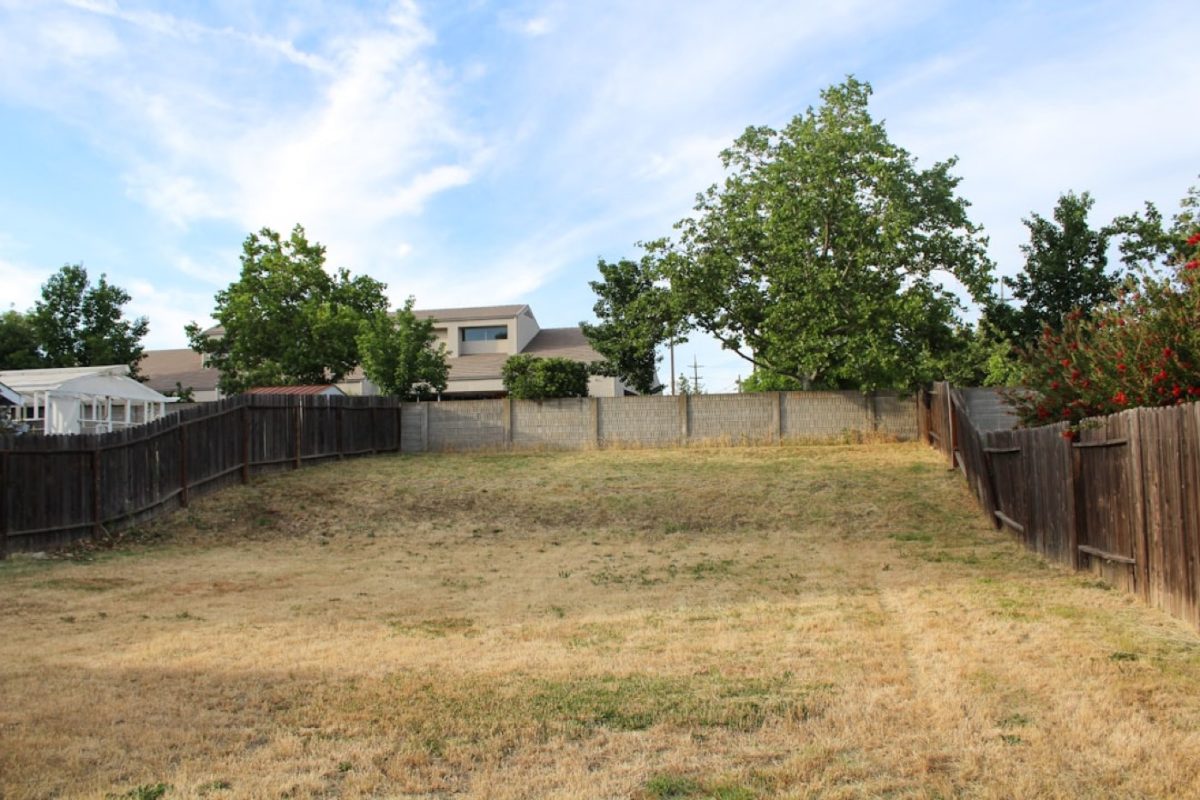
Fence permits are set by local authorities, so whether you need one depends on your city or county rules, any HOA covenants, and specific conditions such as height, location near a street, or proximity to a pool; check the local building or planning department and your HOA documents before buying materials or starting work.
Why fence rules differ from place to place
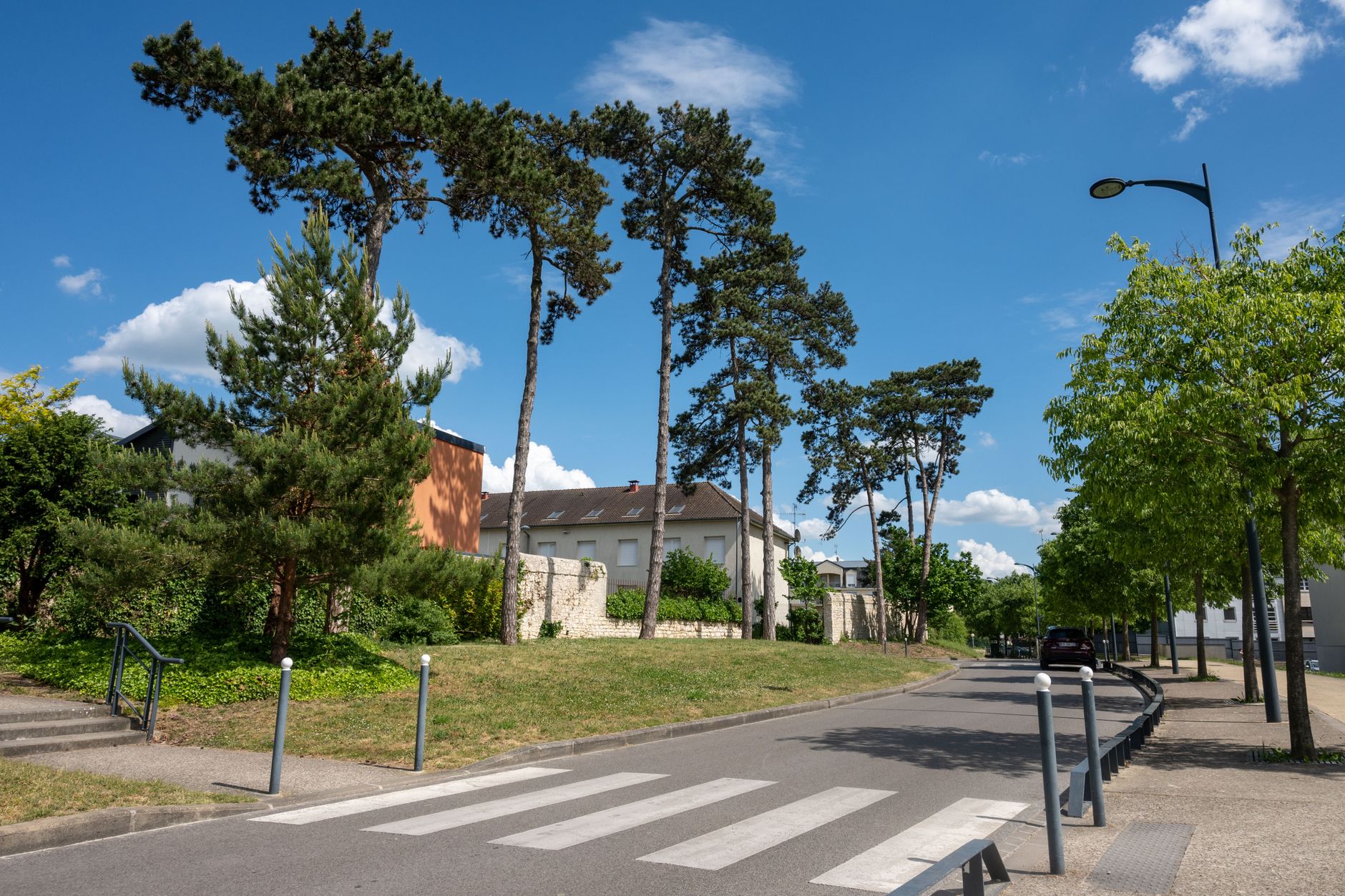
Permitting for fences is a local responsibility. Cities and counties adopt building and zoning codes, often based on model codes like the International Residential Code (IRC), and then set their own thresholds and conditions. That means a rule in one municipality may not apply in another.
Local codes address multiple concerns: public safety, sight lines at intersections, floodplain and drainage considerations, and neighborhood character. A city may treat front-yard fences differently from backyard fences, or require additional documentation when a fence is near a public right-of-way. The LegalClarity guide summarizes how municipalities determine these limits and how adoption of model codes shapes local practices (LegalClarity — Municipality Fencing Rules, Permits, and Regulations, consulted 04/09/2026).
Private rules layer on top of municipal codes when a property is subject to a homeowners association (HOA). HOAs can impose aesthetic standards or approval processes that are separate from the municipal permit. Having a municipal permit does not substitute for HOA approval when covenants apply (LegalClarity — Do I Need Permission to Build a Fence?, consulted 04/09/2026).
The common triggers that typically require a permit
Several specific conditions commonly trigger a requirement to obtain a fence permit. These triggers vary by jurisdiction, but municipal examples illustrate typical cases.
Height thresholds are frequently decisive: many municipal rules draw a distinction between front-yard and backyard heights and require a permit when a fence exceeds the local front-yard limit or the backyard limit. Documents from Dallas and other cities show front-yard limits often lower than rear-yard limits, and municipal pages like Raleigh’s expressly state that replacing or moving a fence beyond a defined percentage can require a permit (City of Dallas Fence Permit Checklist, consulted 04/09/2026; City of Raleigh — Fences, consulted 04/09/2026).
Replacement or substantial alteration can also trigger permitting. Some municipalities treat a repair differently from replacement; Raleigh’s guidance notes that adding, moving, or replacing a large portion of a fence may require a permit (City of Raleigh — Fences, consulted 04/09/2026).
Location in a public easement or within a street right-of-way typically requires a permit and sometimes a separate approval. Work in floodplain areas, on sloped or retaining structures, and fences that act as retaining walls commonly involve additional structural or engineering requirements. Pool barriers and other safety-related fences are often governed by distinct codes with specific requirements separate from ordinary yard fence rules (City of Milwaukee — Fence Requirements brochure, consulted 04/09/2026; City of San Antonio — Fences FAQ, consulted 04/09/2026).
How special cases change the permit process
HOA oversight can add an approval step or design review before construction. LegalClarity explains that HOAs may require submission of plans or prior written approval under covenants; failure to obtain HOA approval can lead to enforcement actions even if a municipal permit exists (LegalClarity — Municipality Fencing Rules, Permits, and Regulations, consulted 04/09/2026).
Pool barriers are commonly treated as a separate public-safety requirement. Municipal pool-barrier rules set minimum heights, gate hardware standards, and inspection requirements that differ from general fence permits. City-specific materials and FAQs provide the precise construction and inspection criteria to follow (City of San Antonio — Fences FAQ, consulted 04/09/2026).
Visibility at intersections — often called the sight triangle or vision clearance — can restrict fence height near corners to preserve driver and pedestrian sight lines. Municipal brochures demonstrate these restrictions and recommend low fences or transparent treatments in designated areas (City of Milwaukee — Fence Requirements brochure, consulted 04/09/2026).
When a property lies in an unincorporated area or near a jurisdictional boundary, the applicable authority may be the county rather than the named city. Permit responsibility can change depending on whether the lot is within city limits, in an extraterritorial jurisdiction, or under county control. The FenceReport overview highlights that jurisdictional status determines which code and permit process applies (FenceReport — Permit for Building a Fence, consulted 04/09/2026).
What to ask the municipality: documents and specific information
When you contact the local permitting office, request the fencing brochure or section of the local code and ask the exact height limits for front and rear yards. Municipal portals like those for Portland, Orlando, Centennial (CO), and Philadelphia provide brochures, diagrams, and application forms that clarify measurement points and setback rules (City of Portland — Fence building permits, consulted 04/09/2026; City of Orlando — Apply for a Fence Permit, consulted 04/09/2026; City of Centennial — Apply for a Fence Permit, consulted 04/09/2026; City of Philadelphia — Get a Fence Permit, consulted 04/09/2026).
Ask whether a site survey or plat is required, whether an engineered design is necessary for fences above a certain height, and whether the city requires the contractor to hold a license. Request information about submission methods (online portal or in-person), fee schedules, inspection requirements, and typical processing time.
Practical steps to prepare documentation include obtaining a site plan showing property lines and the proposed fence line, dimensioned drawings with heights, and an estimate of project cost if the permit form asks for valuation. If the property is subject to HOA covenants, get the HOA’s approval process and written confirmation of any conditions.
Typical permit process and options when a permit is denied
Most municipalities follow a roughly similar sequence: review the code → prepare a site plan and drawings → submit an application (online or in person) → pay fees → schedule inspections as required → receive the permit. City portals named in the resources show the forms and steps used by those jurisdictions (City of Portland — Fence building permits; City of Orlando — Apply for a Fence Permit; City of Centennial — Apply for a Fence Permit, all consulted 04/09/2026).
If the application is denied or the proposed fence requires relief from a standard, property owners typically pursue a variance or special exception through the local Board of Adjustment or planning body. Examples from Santa Clara and Brevard County illustrate that a board hearing, supporting plans, and arguments about hardship or mitigations are part of that process (Santa Clara City Council variance example; Brevard County Board of Adjustment minutes, both consulted 04/09/2026).
When an HOA objects, follow the HOA’s internal review and appeals procedures. Design compromises, alternate materials, or landscaping mitigations are common ways to reach agreement while staying within the HOA’s aesthetic rules.
Good practices and frequent mistakes to avoid
Do not start construction before confirming whether a permit is required. Municipalities may issue stop-work orders or require removal of non-compliant fences. Keep approvals from both the permitting office and the HOA in writing, and archive email or formal letters that document consent.
Confirm the exact property line with a survey before placing posts on or astride a boundary. Boundary disputes or encroachments are a common cause of conflict with neighbors and may not be resolved by a municipal permit. Verify whether a contractor needs to be licensed in your jurisdiction and get any licenses or insurance documentation up front.
Record all communications and retain copies of submitted site plans and permit receipts; written records simplify follow-up and inspection scheduling.
Resources and municipal examples to consult
Useful municipal pages and documents include city guides, online permit portals, and PDF checklists that show required plans and measurement rules. Helpful municipal resources cited for reference: Raleigh Fences permit page; Portland residential permitting fence guidance; Orlando fence permit portal; Centennial, CO fence permit portal; Philadelphia fence permit instructions; Dallas fence permit checklist PDF; Milwaukee fence requirements brochure; San Antonio fences FAQ. Consult the specific links below to review local diagrams, submission forms, and contact information.
What this page does not establish
This article does not provide a national tally or percentage of jurisdictions that require fence permits, nor does it present nationwide “typical” heights without citing a municipal source. The rules that apply to any single property must be verified with the local authority. The site files for centennialfencing.com that might contain additional internal data were not available in the referenced materials at the time of writing and were not used.
This page is informational and does not offer legal advice or act as a substitute for authority-specific code language, official interpretations, or professional counsel. For binding interpretations, consult the local building or planning department, the HOA governing documents, or a licensed professional.
- LegalClarity — Do I Need Permission to Build a Fence? (consulted 04/09/2026)
- LegalClarity — Municipality Fencing Rules, Permits, and Regulations (consulted 04/09/2026)
- City of Raleigh — Fences (permits) (consulted 04/09/2026)
- City of Portland — Fence building permits (consulted 04/09/2026)
- City of Orlando — Apply for a Fence Permit (consulted 04/09/2026)
- City of Centennial (CO) — Apply for a Fence Permit (consulted 04/09/2026)
- City of Philadelphia — Get a Fence Permit (consulted 04/09/2026)
- City of Dallas — Fence permit checklist (PDF) (consulted 04/09/2026)
- City of Milwaukee — Fence Requirements brochure (consulted 04/09/2026)
- City of San Antonio — Fences FAQ (consulted 04/09/2026)
- Santa Clara — Variance example (consulted 04/09/2026)
- Brevard County — Board of Adjustment minutes (variance example) (consulted 04/09/2026)
- FenceReport — Permit for Building a Fence (consulted 04/09/2026)

Rédacteur spécialisé · matériaux, sécurité, design extérieur
Marc explore les différents matériaux et designs pour les portails et clôtures. Passionné par l'aménagement extérieur, il fait ses recherches minutieusement pour assurer la véracité de ses articles.
Les questions traitées dans cette fiche
Dans la même zone : Permis et Règlements

6 étapes7 min de lecture
Permis et Règlements
4 étapes2 min de lecture
Permis et Règlements

11 étapes8 min de lecture
Permis et Règlements