Materials et Design
Clôtures décoratives en aluminium vs fer forgé
Comparer aluminium et fer forgé sur cinq critères pour guider propriétaires et designers; consulter un entrepreneur agréé pour devis et conformité.
Laura Dufresne 9 min de lecture
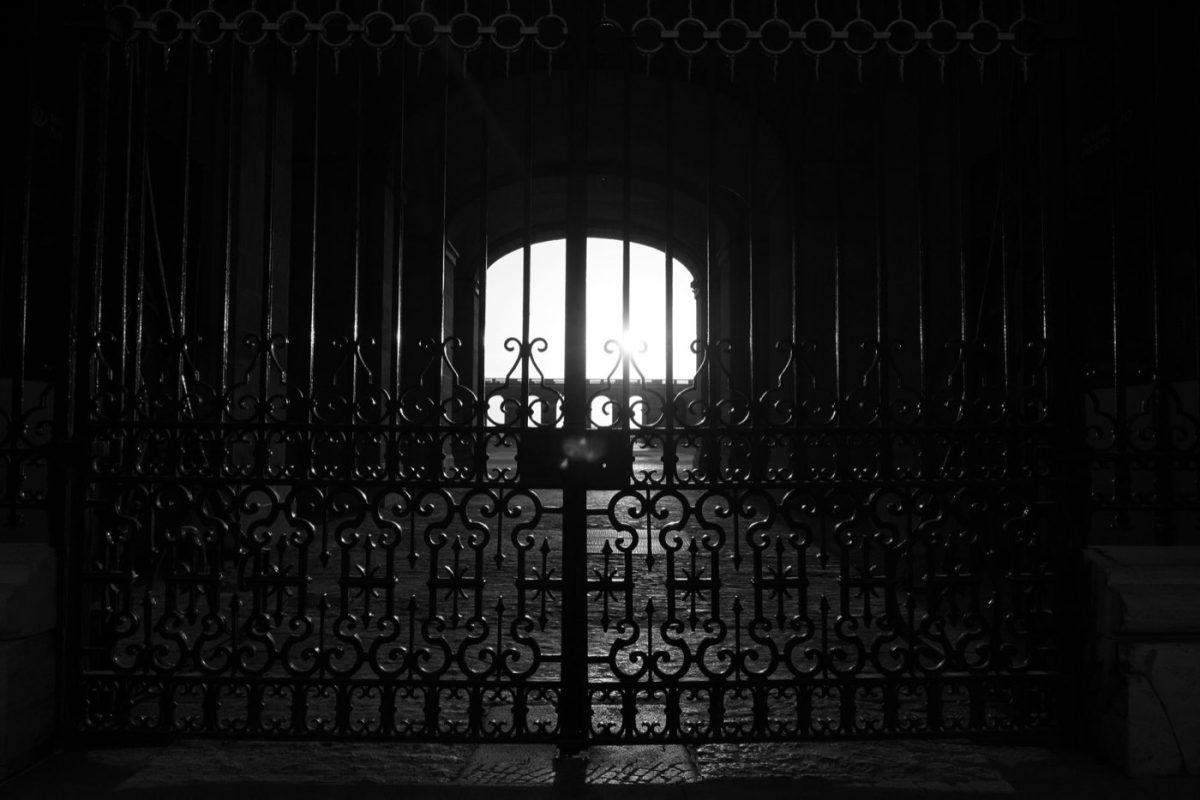
This page compares aluminum ornamental fences with wrought (ornamental) iron fences across five key criteria to help homeowners and designers choose the best metal decorative fence for their situation; consult a licensed contractor for final quotes and code compliance.
What aluminum and wrought-iron decorative fences have in common

Both aluminum ornamental fences and wrought-iron (often marketed as ornamental iron) fences belong to the same family of metal decorative barriers. They are used where appearance and a metal aesthetic matter: front yards, pool enclosures, garden borders, and boundary demarcation. Both styles commonly feature decorative elements such as spires, finials, scrolls and other ornamental motifs that aim to combine visual appeal with a defined property edge.
Installation for both systems often relies on preformed panels or individual elements attached to posts. Manufacturers and retailers sell panelized systems for residential use, and installers frequently assemble panels on-site or mount prefabricated panels to set posts. These shared characteristics mean a buyer choosing between the two is comparing two approaches to similar functional and decorative goals rather than fundamentally different fence families.
Key public references describe metal decorative fences together and present overlapping information about uses and installation approaches. See Home Depot and This Old House for overviews of metal fence types and common residential uses. The sources consulted for those points are listed at the end of the page.
Durability & corrosion resistance
Aluminum: Aluminum ornamental fences are intrinsically corrosion-resistant and are commonly powder-coated to improve finish durability. Because aluminum does not rust like ferrous metals, manufacturers and consumer guides promote aluminum as a low-maintenance option, especially in humid or coastal settings where corrosion is a concern. This characteristic explains why aluminum is frequently recommended where salt air or constant moisture is a factor.
Wrought iron / ornamental iron: What is sold commercially as “wrought iron” is often steel or ornamental iron reproductions rather than historic forged wrought-iron; ferrous metal fences are heavier but prone to oxidation. To resist corrosion, ornamental iron or steel fences require protective treatments such as galvanizing, high-quality paint systems, and periodic maintenance. When coatings fail, flaking paint and localized rust spots can develop and require repair, and over long periods corrosion can necessitate welding or component replacement.
Sources consulted support the distinction between aluminum’s inherent corrosion resistance and iron/steel’s higher maintenance needs.
Strength & security
Wrought-iron style fences are generally heavier in material and construction. That weight and the typical use of welded connections give ornamental iron a perception of greater solidity and resistance to physical force. In practice, intrusion resistance depends on material grade, member thickness (gauge), connection quality, and post and foundation design rather than on the decorative label alone.
Aluminum fences can be structurally adequate for decorative security purposes but their security performance depends on product grade, gauge of rails and pickets, and how posts and foundations are set. Not all aluminum products are equal; some panelized ornamental aluminum systems are designed primarily for appearance and light-duty enclosure rather than heavy-duty security.
Both Home Depot and This Old House discuss the role of material weight and structural design in perceived security; product selection and installation specifics matter for either option.
Maintenance
Aluminum: Powder-coated aluminum typically needs minimal maintenance beyond occasional washing to remove dirt and salt deposits. Because aluminum does not rust, the common upkeep items are cleaning and checking for mechanical damage such as dents or bent pickets.
Wrought iron: Ornamental iron requires ongoing attention to coatings. Repainting, rust treatment and periodic repairs such as welding may be necessary over years of exposure. When paint flakes or coating breaches occur, iron elements are at risk of corrosion that will need active treatment to halt progression.
Home improvement guides and fence-focused resources note the contrast between aluminum’s low-maintenance profile and iron’s requirement for recurring maintenance to protect finish and structural condition.
Aesthetic & customization
Wrought-iron style fences are associated with a classic, hand-forged look and historically bespoke metalwork. Ornamental iron can deliver intricate artisan details that suit period properties and high-customization projects. True historic forged wrought iron is uncommon, and many residential products replicate the look using steel or ornamental iron techniques.
Aluminum offers a broad range of ornamental profiles and can mimic iron styling at panel scale. Many aluminum systems are panelized, which can limit absolute customization compared with fully custom welded ironwork, but aftermarket and specialty fabricators can deliver custom aluminum work where required.
This Old House and manufacturer materials highlight both the artisan strengths of iron and the wide decorative palette available in aluminum systems.
Cost & value (qualitative)
Upfront and lifetime costs for both materials vary widely by region, product grade and installer. Consumer cost guides exist for both aluminum and wrought-iron style fences, but region-specific quotes are necessary before deciding. Aluminum is often promoted as cost-effective over time because it typically requires less maintenance, while wrought-iron style fences can involve higher material and labor costs due to weight and welding work.
Because per-foot prices and warranty details depend on brand and locality, do not use this page as a price guide; obtain local estimates. See Angi cost overviews for discussion of factors that influence installation pricing.
Suitability by environment
Aluminum is frequently recommended for coastal and humid environments because of its corrosion resistance and powder-coated finishes. Wrought-iron style fences can perform well inland if properly protected with galvanizing or durable paint systems, but require more active corrosion control where moisture and salt exposure are high.
Fence-advice sources and regional contractor guidance note environmental suitability as a major decision factor; the coastal recommendation for aluminum appears consistently in consumer guidance.
Installation & foundations
Two common approaches exist: panelized systems that bolt or bracket to posts, and fully welded custom assemblies that are fabricated and installed by metalworkers. Panelized aluminum typically simplifies installation; wrought-iron style installations that require welding or heavier handling increase labor complexity and may demand more robust posts and concrete footings. Gate hardware, post anchoring depth and foundation quality are critical for performance regardless of material.
This Old House and Home Depot outline typical panelized versus welded installation practices and emphasize the role of post depth and footing in long-term stability.
Lifespan & resale
Both aluminum and well-maintained ornamental iron can last for decades when appropriate materials and finishes are chosen and proper maintenance is performed. Aluminum resists corrosion that shortens the life of untreated ferrous metal, while iron’s longevity relies heavily on coating performance and repair of corrosion when it appears. Do not rely on generic lifespan claims for a specific product without manufacturer warranty and product data.
Public home improvement sources discuss longevity qualitatively and underline the dependence on maintenance, finish and installation quality.
Table: Aluminum ornamental fence vs wrought/ornamental iron fence
| Criterion | Aluminum decorative fence | Wrought / ornamental iron fence | What it changes for you |
|---|---|---|---|
| Corrosion resistance | Inherently corrosion-resistant; commonly powder-coated | Prone to rust unless galvanized/painted and maintained | Aluminum reduces routine corrosion work; iron needs finish upkeep |
| Strength / security | Structurally adequate for decorative security when specified by gauge and post detail | Heavier and often perceived as stronger; depends on material and installation | Choose based on required intrusion resistance and construction details |
| Maintenance | Low: wash occasionally; check for dents | Higher: repainting, rust repair, possible welding over time | Factor long-term maintenance labor into decision |
| Upfront cost (qualitative) | Often competitive; panels simplify install | Often higher due to weight and labor (welding) | Obtain local quotes; product grade matters |
| Long-term cost (maintenance) | Often lower due to corrosion resistance | Potentially higher if repainting and repairs are frequent | Consider lifecycle maintenance when evaluating value |
| Customization & look | Wide range of ornamental profiles; many panels mimic iron | Traditional artisan look; easier to achieve bespoke weldwork | For period restoration, iron-style fabrication may be preferred |
| Coastal suitability | Preferred for coastal/humid environments | Acceptable inland with proper coatings; coastal use needs strong protection | Environment can steer material choice |
| Installation complexity | Panelized systems lower labor intensity | Welding and heavier handling increase labor skill and time | Labor and foundation requirements affect total project planning |
| Repairability | Repairs often involve panel replacement or straightening | Welding and metalwork repairs possible but may be more involved | Assess availability of local metalworkers for future repairs |
Verdict by typical use-case (no overall winner)
Coastal home / low-maintenance priority: Favor aluminum for its corrosion resistance and powder-coated finishes; follow up with installer questions about finish type and warranty.
Historic property / high-security need / period-accurate restoration: Favor wrought-iron style work or custom metalwork where artisan welds and historic appearance are required; plan for protective coatings and future maintenance.
Budget-conscious with long-term value focus: Aluminum may reduce maintenance-related expenditures over time, but confirm product grade and installation quality; get local quotes to compare total cost of ownership.
Ornate custom gate or artisan look: Wrought-iron style or custom-fabricated steel work will often better accommodate bespoke detailing; obtain references and portfolio from fabricators.
For each use-case above, the practical next step is the same: request 2–3 local quotes and ask specifically about finish (powder coat vs galvanize), material grade, and examples of past work; verify warranty terms directly with the supplier.
How to evaluate quotes — practical checklist
- Ask what material is specified: aluminum grade or whether “wrought iron” is actually steel/ornamental iron.
- Request finish details: powder coat type for aluminum; galvanizing and paint system for iron/steel.
- Confirm post depth and concrete footing specifications for your soil and frost conditions.
- Ask about warranty on the finish and whether warranty details are provided in writing by the manufacturer or installer.
- Check gate hardware specification and whether hardware finish matches fence finish details.
- Request references or a portfolio of recent similar installs to evaluate craftsmanship.
- Discuss maintenance obligations the installer recommends so you can compare long-term care needs.
Do not assume a quoted price guarantees compliance with local codes or HOA rules; verify code and HOA requirements separately with the responsible authority.
Sources & further reading
- homedepot.comconsulté le 04/09/2026
- thisoldhouse.comconsulté le 04/09/2026
- angi.comconsulté le 04/09/2026
- angi.comconsulté le 04/09/2026
- fenceadvisors.comconsulté le 04/09/2026
- socalfencepros.comconsulté le 04/09/2026
- en.wikipedia.orgconsulté le 04/09/2026
- rongtaimetalgroup.comconsulté le 04/09/2026
What we could not establish here (verify locally)
- Precise per-foot installation prices for your local area — obtain local quotes for accurate pricing.
- Brand- or model-specific warranty durations and performance figures — request manufacturer warranty documents when evaluating products.
- Measured corrosion or failure rates for specific brands in your microclimate — such data requires product- and location-specific testing or reports.
- Availability, lead times and pricing for local artisan blacksmiths or custom metalworkers near your property.
This page informs and compares only; contact a licensed contractor for quotes and code compliance.
Sources

Rédactrice · clôtures, portails, aménagements extérieurs
Laura couvre les tendances et innovations en matière de clôtures et portails de jardin. Elle prend soin de vérifier les informations en consultant des sources fiables et en croisant plusieurs avis avant de publier.
Les questions traitées dans cette fiche
Dans la même zone : Materials et Design
8 étapes5 min de lecture
Materials et Design
7 étapes9 min de lecture
Materials et Design
12 étapes9 min de lecture
Materials et Design
10 étapes7 min de lecture
Materials et Design