Materials et Design
Idées de clôtures décoratives pour améliorer l’attrait
Clôtures décoratives pour encadrer la maison, renforcer l'architecture et augmenter l'attrait. Choisissez un style adapté et vérifiez les règles municipales et
Laura Dufresne 8 min de lecture
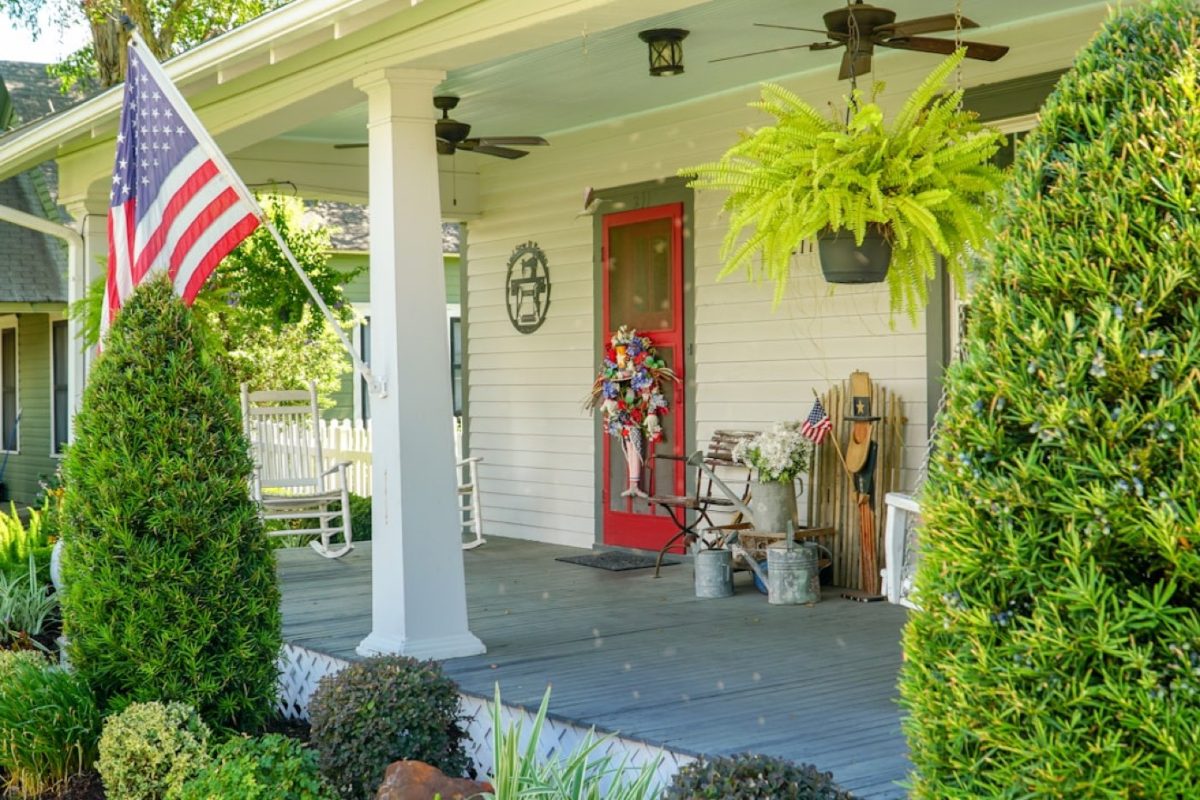
Decorative fences reshape curb appeal by framing the house, accenting architectural lines, and setting the first visual impression; choose a style that matches your home and neighborhood, then check local rules and HOA guidelines before installing.
Why a decorative fence changes the curb appeal

A decorative fence defines the edge of a front yard and directs the eye toward the house. It can reinforce the architecture: a picket fence reads as traditional and welcoming, while horizontal slats signal a contemporary aesthetic. Open designs keep a view of the home and landscaping, making the property feel larger and more intentional.
Mismatch between fence style and house design can work against you. A heavy, ornate iron fence may overwhelm a modest cottage; conversely, a fragile picket fence can look out of place beside a modern facade. Sources on fence styles note that proportion and scale matter: height, post spacing and visual weight should be in balance with the facade and lot size.
Regulatory context also shapes curb results. Many municipalities and HOAs treat front-yard fences as decorative and limit height or require approved styles. Check municipal design guides and HOA rules early: they often list acceptable front-yard styles and setback rules that affect what will actually be allowed.
Styles decorative fences commonly used and when to pick them
Picket fence — The classic picket reads as cottage-friendly and is typically low and open. It works well for traditional and cottage-style homes where a light boundary is desired. Materials commonly used include wood or vinyl; choose a finish that ties to porch trim or shutters. (See FenceGuys / Wikipedia.)
Ornamental metal — Wrought-iron or ornamental steel and aluminum offer an upscale, open look. Aluminum gives a similar appearance with lower maintenance than heavy wrought iron; wrought iron can require more attention to protect against corrosion. These designs are good when you want visibility and a refined silhouette without blocking the view of the house. (See Home Depot / FenceLevel.)
Horizontal slat / modern minimalist — Horizontal slats create a contemporary, streamlined face for modern homes. They can be executed in wood, composite or metal. These designs suit modern architecture and work best with clean lines and minimal trim. Contemporary panels and laser-cut metal panels are also referenced in recent design roundups as a modern decorative trend. (See YouTube trends / Enhomive.)
Split-rail / rustic — Split-rail fences fit rural or rustic properties and are often used decoratively at low heights. They pair naturally with broad landscapes and informal plantings. These fences emphasize character rather than privacy. (See Wikipedia split-rail.)
Shadowbox / board-on-board — This style can provide a mix of decorative appeal and partial privacy. When used in a front yard, it should be proportioned to avoid creating a fortress effect; consider a decorative top or posts to keep the look lighter. (See FenceLevel.)
For each style, add a short note: “ideal if…” and list precautions. For example: picket fences are ideal if you want a friendly, unobstructed front; verify HOA height limits. Ornamental metal is ideal when you want elegance and visibility; inspect for corrosion needs if choosing iron.
Materials: look, upkeep and expected longevity traits
Wood — Wood offers warmth and traditional character. It accepts paint and stain and is easily customized. Maintenance includes periodic staining or painting and attention to ground contact at posts to avoid rot.
Vinyl (PVC) — Vinyl provides a low-maintenance alternative to painted wood. It resists rot and does not need staining. For decorative uses, vinyl pickets or panels can mimic wood forms with less upkeep.
Aluminum and ornamental metal — Aluminum and other ornamental metals deliver a durable, polished look with relatively low maintenance compared with heavy wrought iron. Wrought iron can need more regular protection against rust. These materials are often recommended when a high-end appearance and open sightlines are priorities.
Composite — Composite aims to give a wood appearance without the same level of maintenance. It can suit horizontal slat designs and contemporary panels when a wood look is desired but staining every few years is not.
Basic maintenance tips drawn from materials guides: protect wood posts from constant soil contact, clean vinyl and composite panels to remove grime, and inspect metal panels and hardware for early signs of corrosion so touch-up finishes can be applied.
Details that raise the visual impact: post caps, finials, gates and hardware
Small elements change a fence’s perceived quality. Post caps protect timber posts from water ingress and sharpen the silhouette. Decorative finials and toppers add vertical punctuation to pickets and metal work. A coordinated gate and matching hardware create a composed entry that reads as intentional rather than afterthought.
Choose hardware and gate style to match the fence design: heavy hinges and ornate latches suit ornamental metal, while simpler latches complement horizontal slats. Consider lighting accents along the gate or posts for visibility and to frame the main access path; if adding electrical lighting, follow local codes and use professional installers for wiring.
Manufacturers’ spec guides and decorative hardware catalogs are useful to compare finishes and visual weight. Match finishes to metalwork or porch fixtures for cohesion.
Scenarios of use: small lots, suburban tracts, historic districts, modern homes
Small front yard / narrow lot — Favor low, open fences such as short pickets or low metal rails that preserve sightlines and avoid visual crowding. Keep planting low to maintain depth between fence and facade.
Suburban tract — In neighborhoods with uniform house plans, choose a fence that complements common materials and colors. If an HOA exists, verify approved styles to avoid rework.
Historic district — Historic neighborhoods often have design review boards or ARBs. Seek guidance from local design brochures or the municipal front-yard fence guide before selecting a style; many municipalities publish recommended front-yard styles and height guidance.
Modern home — Clean, horizontal slats, metal panels or minimalist picket variants suit contemporary facades. Keep details streamlined and avoid ornamental elements that conflict with modern geometry.
Landscaping and integration: plants, hedges and planter ideas
Integrate fence and planting to soften lines and add texture. Foundation plantings and low perennial beds in front of a decorative fence enhance depth and frame sightlines. Keep plantings lower than the fence if you want the house to remain visible from the street.
Use climbing plants sparingly on open metal or picket fences to add seasonal interest without overwhelming the structure. For wooden posts, ensure drainage and avoid direct soil contact at the base to reduce rot risk. Design guides recommend pairing rustic fences with informal meadow-style plantings, and pairing modern panels with structured, low-maintenance plantings for contrast.
Permits, HOA rules and checks before you install
Always verify local municipal rules and HOA requirements before planning a front-yard fence. Municipal brochures and design guides often state permitted heights, acceptable materials and setback requirements for front-yard fences. The City of Webster Groves front-yard fence brochure is an example of a municipal document that spells out recommended designs and constraints.
Typical steps: consult the city or county building/zoning office website, review HOA covenants or contact the HOA’s architectural review board, and confirm setback and height limits. If the property is in a historic district, contact the local review authority to learn if specific materials or profiles are required.
How to decide: a practical checklist
- What is the architectural style of the house? Match the fence mood to it.
- Primary objective: decorative, privacy (6+ ft alternatives exist) or mixed solution (decorative front, privacy side/back)?
- HOA or municipal limits: are there approved styles or height restrictions?
- Material preferences: wood look, low maintenance (vinyl/composite), or metal appearance?
- Maintenance appetite: how often will you repaint/stain or inspect metalwork?
- Integration with landscaping: will plantings sit in front of or behind the fence?
After using the checklist, compare options and contact a local professional for quotes and permit guidance.
Inspirations and where to look for examples
Catalogs and manufacturer PDFs, design blogs and video roundups are good places to gather visual references. Manufacturer catalogs and curated galleries show specific panel patterns and hardware finishes. Design videos and “front yard fence” guides collect recent trends and installation examples that can spark ideas. Ensure any images you use are licensed or cleared for reuse.
Recommended reference types: manufacturer decorative fence PDFs, specialized fence blogs and municipal front-yard design brochures for scale and regulatory context.
Limits of this article and what we don’t know
This article is informational and not a substitute for a permit check or a professional estimate. It does not provide installation quotes, average costs, or timelines. It does not list municipal rules for specific cities beyond example documents. It does not claim that a particular fence will increase property value by a set amount. For precise costs, schedules and legal requirements, consult local authorities and a licensed installer or design professional.
What this article does not cover
- Installation costs or cost-per-linear-foot figures.
- Average installation timelines.
- Exact municipal rules for any given city unless a municipal source is cited.
- Any numeric claim about property value change.
- Recommendations of specific contractors or guarantees of workmanship.
Sources consulted include industry design guides, manufacturer PDFs and municipal front-yard brochures referenced in the research list for decorative fence ideas and materials (examples: FenceGuys, FenceLevel, Home Depot, CT Fence & Gate, Webster Groves municipal brochure, and related design roundups).

Rédactrice · clôtures, portails, aménagements extérieurs
Laura couvre les tendances et innovations en matière de clôtures et portails de jardin. Elle prend soin de vérifier les informations en consultant des sources fiables et en croisant plusieurs avis avant de publier.
Les questions traitées dans cette fiche
Dans la même zone : Materials et Design
8 étapes5 min de lecture
Materials et Design
7 étapes9 min de lecture
Materials et Design

12 étapes9 min de lecture
Materials et Design
10 étapes7 min de lecture
Materials et Design