Materials et Design
Meilleurs matériaux de clôture pour maisons suburbaines
Compare les matériaux de clôture adaptés aux besoins suburbains: intimité, durabilité, entretien, budget, conformité HOA et adaptation au climat.
Laura Dufresne 7 min de lecture
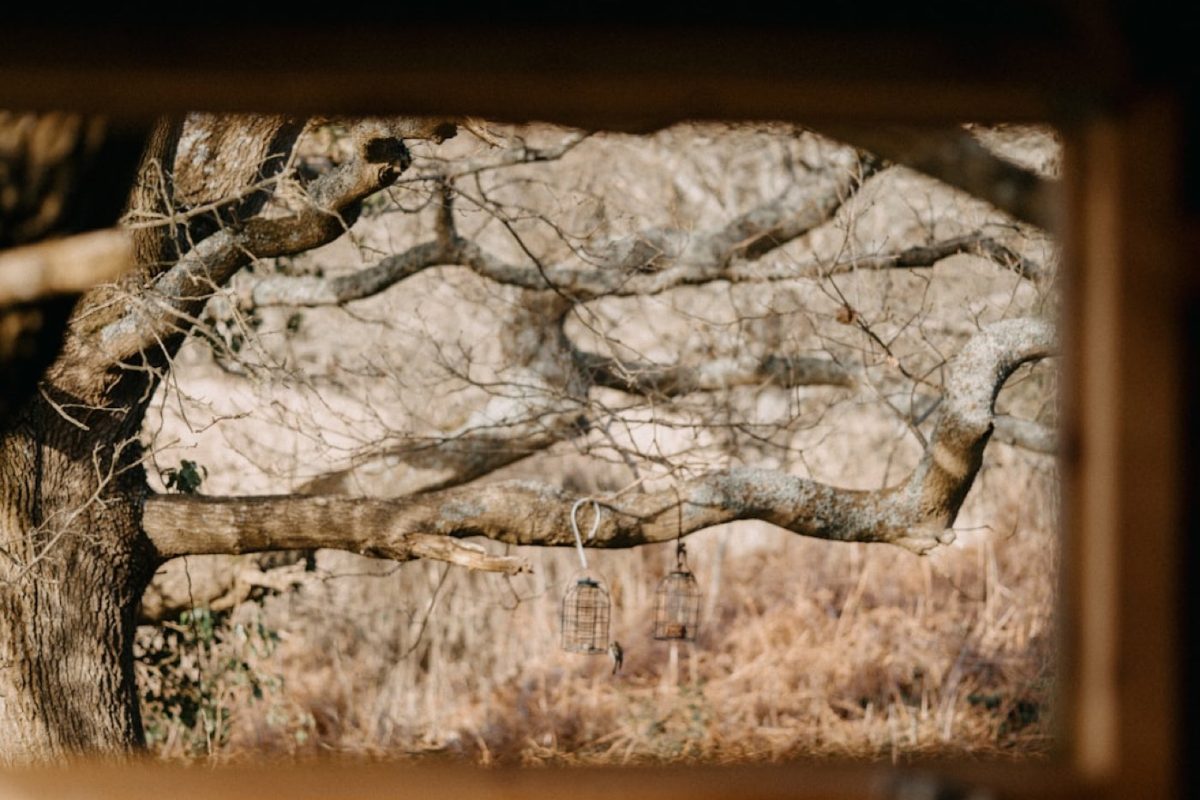
This guide compares the best fence materials for suburban homes and explains which material suits common suburban needs: privacy, durability, maintenance, budget, HOA rules, and climate. It is an informational comparison and does not replace a professional quote.
Criteria of the ranking

The ranking uses explicit criteria so readers can match materials to their priorities. Each criterion is explained and tied to the sources used.
- Cost of installation (per linear foot) — When a source provides a cost range, that range is cited directly. Example cost ranges used here come from published guides (FenceCrunch, MeasureFence, McC municipal packet). See sources below for each cited range.
- Estimated lifespan / longevity — Only described when a source mentions relative longevity; no unsupported numeric lifetime is asserted.
- Maintenance required — Frequency and nature (cleaning, staining, sealing) are taken from installation and contractor guides.
- Privacy / aesthetic — Whether a material provides full privacy, semi-privacy, or open-style appearance, based on material characteristics in comparison guides.
- Security / robustness — Resistance to impact, ability to secure pets/children, and overall structural strength as described by professional guides.
- HOA / permits compatibility — The need to verify local codes and HOA rules before installation is emphasized; materials vary in what HOA rules typically allow.
- Climate adaptation — Suitability for humidity, salinity, freeze-thaw cycles is noted when guides discuss exposure concerns.
Method: syntheses of professional buyer guides and contractor resources were cross-checked to align material traits with suburban use cases like privacy yards, pool compliance, and HOA constraints. See Sources & methodology section for the full list of consulted URLs (all consulted 04/09/2026).
Cedar / Redwood — Who it’s for
Cedar and redwood are aimed at homeowners prioritizing natural appearance and higher-end wood aesthetics.
Who it’s for: homeowners seeking warm, natural wood look and willing to perform periodic maintenance for appearance.
What distinguishes it: natural resistance to decay and attractive grain make cedar and redwood favored for decorative and privacy fences.
Limitations: higher initial cost than pressure-treated pine and requires staining or sealing over time to maintain appearance.
Pressure-treated pine — Who it’s for
Pressure-treated pine targets budget-conscious homeowners who want a privacy fence at lower upfront cost.
Who it’s for: owners needing full privacy on a tighter budget and willing to do regular staining/sealing.
What distinguishes it: widely used as an economical privacy option and treated per AWPA recommendations for post contact with soil (UC4A/UC4B referenced in professional standards).
Limitations: needs ongoing maintenance (staining/sealing) and generally shorter aesthetic lifespan than cedar/redwood if not maintained.
Vinyl / PVC — Who it’s for
Vinyl/PVC suits homeowners who prioritize very low maintenance and full privacy panels.
Who it’s for: families or busy homeowners who want privacy without regular painting or staining.
What distinguishes it: minimal finishing required compared with wood; guides highlight low maintenance as a primary advantage.
Limitations: higher initial cost than some wood options and potential for damage under heavy impact or long-term UV exposure depending on product quality.
Composite (wood-plastic) — Who it’s for
Composite appeals to buyers who want the look of wood with reduced maintenance.
Who it’s for: homeowners seeking wood aesthetics with less frequent sealing or staining.
What distinguishes it: offers wood-like appearance with lower maintenance needs compared to traditional wood, though typically costs more than vinyl.
Limitations: premium price relative to vinyl and some wood options; product quality varies across manufacturers.
Aluminum — Who it’s for
Aluminum addresses ornamental and pool-compliant fencing needs where visibility and code compliance matter.
Who it’s for: homeowners with pools, yards where open sightlines are required, or those preferring ornamental metal without full privacy.
What distinguishes it: low maintenance and common acceptance for pool-code fencing.
Limitations: not suitable where full privacy is required and typically does not provide a privacy barrier.
Wrought iron / Tubular steel — Who it’s for
Wrought iron or tubular steel fits homeowners seeking a high-end decorative and secure perimeter.
Who it’s for: owners desiring durable, decorative security where appearance and strength matter more than privacy.
What distinguishes it: very durable and decorative; requires anti-rust treatments or coatings.
Limitations: high cost and does not offer privacy.
Galvanized chain link — Who it’s for
Galvanized chain link targets budget-focused homeowners or those who need functional, durable containment.
Who it’s for: property owners prioritizing low cost and durability over aesthetics and privacy.
What distinguishes it: often the least expensive installed material per linear foot according to cost guides. Two published per-foot ranges appear in guides: approximately $10–25/ft or $8–40/ft depending on the source.
Limitations: open, industrial appearance and lacks privacy unless upgraded with slats.
Vinyl-coated chain link / Hybrid options — Who it’s for
Vinyl-coated chain link and hybrids suit homeowners seeking a mid-point between cost, durability, and appearance.
Who it’s for: yards where a less-industrial look is desired while keeping chain link structure for durability.
What distinguishes it: coated finishes improve aesthetics and corrosion resistance compared with plain galvanized chain link; hybrid systems can mix materials for specific needs.
Limitations: still not full privacy unless combined with panels, and costs vary by hybrid configuration.
Masonry / Brick / Stone — Who it’s for
Masonry walls are for homeowners seeking high privacy, noise reduction, and a permanent, upscale boundary.
Who it’s for: owners wanting durable, long-lasting privacy walls and ready to address permit and foundation needs.
What distinguishes it: exceptional durability and strong privacy when built to code; commonly cited for aesthetic and permanence.
Limitations: very high cost, potential permit and drainage or foundation requirements depending on jurisdiction.
Summary table
| Material | Best usage | Maintenance | Installed cost (per ft) | Longevity | Main limitation |
|---|---|---|---|---|---|
| Cedar / Redwood | Privacy / aesthetic | Staining/sealing periodically | non trouvé | non trouvé | Higher cost; maintenance |
| Pressure-treated pine | Privacy, budget | Regular staining/sealing; follows AWPA treatment guidelines | non trouvé | non trouvé | Requires maintenance; shorter aesthetic life without care |
| Vinyl / PVC | Low-maintenance privacy | Low; occasional cleaning | non trouvé | non trouvé | Higher initial cost; potential UV/impact issues |
| Composite | Wood look, lower maintenance | Low compared to wood | non trouvé | non trouvé | Premium price vs vinyl |
| Aluminum | Ornamental, pool-compliant | Low; coatings prevent corrosion | non trouvé | non trouvé | No full privacy |
| Wrought iron / Steel | Decorative security | Requires anti-rust maintenance | non trouvé | non trouvé | High cost; no privacy |
| Galvanized chain link | Budget, durable | Low; occasional repairs | Approximately $10–25/ft or $8–40/ft | non trouvé | Open, industrial look; lacks privacy unless modified |
| Vinyl-coated chain link / Hybrid | Compromise cost/appearance | Low to moderate depending on configuration | non trouvé | non trouvé | Not full privacy unless combined with panels |
| Masonry / Brick / Stone | High privacy, permanent | Low once built; requires proper drainage and foundations | non trouvé | non trouvé | Very high cost; permits and foundation concerns |
How to choose for your situation — quick checklist
- Decide priority: budget, privacy, or low maintenance.
- Check HOA rules and municipal permits before selecting material.
- Consider climate exposure: humidity or coastal salinity affects material choice.
- For pool areas, verify fence type meets local pool codes; aluminum and certain metal options are commonly used for pool compliance.
- Obtain at least two local quotes and confirm post treatment and depth of post set with installers (best practice noted in contractor guides).
Sources & methodology
Sources consulted 04/09/2026 and used to compile this comparison:
- FenceLevel — Types of Fences: Every Material Compared. https://www.fencelevel.com/types-of-fences — consulted 04/09/2026.
- FenceLevel — Compare Fence Materials: Cost, Privacy, Lifespan & Upkeep. https://www.fencelevel.com/compare-fences — consulted 04/09/2026.
- MeasureFence — Fence Types & Materials Compared. https://measurefence.com/fence-types — consulted 04/09/2026.
- FenceCrunch — Wood vs Vinyl vs Chain Link vs Composite. https://fencecrunch.com/guides/fence-types-comparison — consulted 04/09/2026.
- Fence Contractor Pros — Fence Material Comparison. https://fencecontractorpros.com/guides/fence-material-comparison — consulted 04/09/2026.
- TrueFenceFlorida — Compare Fence Materials. https://truefenceflorida.com/compare-fence-materials — consulted 04/09/2026.
- National Fencing Authority — Fence Types and Materials: A Complete Reference. https://nationalfencingauthority.com/fence-types-and-materials — consulted 04/09/2026.
- McC Meetings — municipal PDF with example fence cost estimates. https://mccmeetings.blob.core.usgovcloudapi.net/brisbaneca-pubu/MEET-Packet-b6e3687c461a4d8cb10b20383f2d3437.pdf — consulted 04/09/2026.
- CompleteCustomFence — The Ultimate Fence Buyers Guide (PDF). https://completecustomfence.com/wp-content/uploads/2025/09/The_Ultimate_Fence_Buyers_Guide-5.pdf — consulted 04/09/2026.
- AtoZ Quality Fencing — spec & warranty notes. https://atozqualityfencing.com/commercial-aluminum-fence-residential-use/ — consulted 04/09/2026.
- Eustis municipal fence brochure — example local permit guidance. https://www.eustis.org/files/assets/public/v/1/development-serv/docs/permits/fence-brochure.pdf — consulted 04/09/2026.
Methodology: synthesize professional buyer guides and contractor resources, preserve quoted cost ranges as published, and cross-reference material traits to suburban use cases.
Disclaimer
This guide informs and compares materials; it does not replace a professional quote. For a precise estimate and compliant installation, contact local installers and check HOA and municipal permit rules.
Sources
- fencecrunch.com
- measurefence.com
- mccmeetings.blob.core.usgovcloudapi.net
- fencelevel.com
- fencecontractorpros.com
- truefenceflorida.com
- nationalfencingauthority.com
- atozqualityfencing.com

Rédactrice · clôtures, portails, aménagements extérieurs
Laura couvre les tendances et innovations en matière de clôtures et portails de jardin. Elle prend soin de vérifier les informations en consultant des sources fiables et en croisant plusieurs avis avant de publier.
Les questions traitées dans cette fiche
Dans la même zone : Materials et Design

8 étapes5 min de lecture
Materials et Design
7 étapes9 min de lecture
Materials et Design

12 étapes9 min de lecture
Materials et Design
10 étapes7 min de lecture
Materials et Design