Materials et Design
Clôtures peu d’entretien pour propriétaires occupés
Guide comparatif des matériaux et panneaux de clôture à faible entretien pour propriétaires pressés, critères pratiques, limites honnêtes et conseils d'entretie
Laura Dufresne 8 min de lecture

This ranking helps busy homeowners pick low‑maintenance fencing materials and panel types, with clear criteria, practical pros and honest limits; it is informational only and not a quote or professional recommendation — check local HOA and permit rules.
Introduction
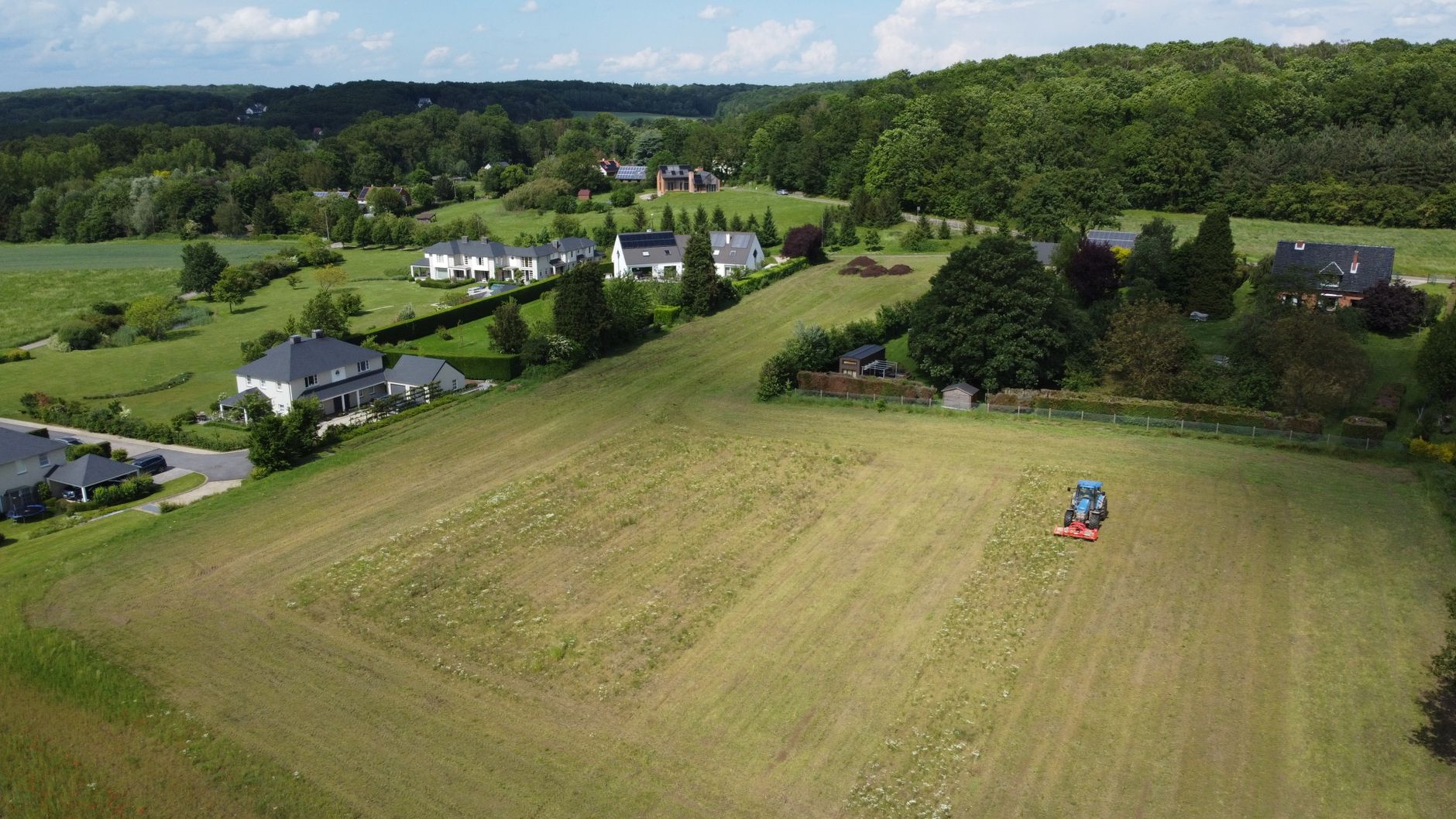
This short guide lists common low‑maintenance fence materials and panel styles suited to homeowners who have limited time for upkeep. The goal is a practical comparison across typical options used in residential yards, summarizing who each option fits, what sets it apart, and a candid limit to expect. The page organizes criteria, a ranked list of seven common options, a short decision guide by situation, minimal upkeep tips, and a comparison table. Sources referenced below were consulted on 04/09/2026.
Criteria used for this ranking
The ranking relies on a synthesis of established home improvement guides cited below. Each criterion reflects a practical concern for a time‑pressed homeowner.
- Routine maintenance: frequency and type of regular care such as cleaning or treatments — important for homeowners with limited time.
- Durability and weather resistance: ability to resist corrosion, rot, UV damage, and moisture in ordinary conditions.
- Climate sensitivity: how performance varies with sun exposure, freeze/thaw cycles, coastal salt air or humidity.
- Appearance and HOA compatibility: how well the material integrates with neighborhood rules and curb appeal concerns.
- Operational cost implications: likelihood of recurring maintenance tasks or replacement needs (no cost figures are provided here unless sourced).
- Security and function: whether the option meets needs for pool barriers, pet containment, or privacy.
- Availability and installation mode: whether options are commonly installed by professionals or suitable for limited‑scope DIY.
Method note: criteria synthesize guidance from Angi, This Old House, FenceTrac, FenceReport, FenceLevel, HMNDP and related references consulted on 04/09/2026 (sources listed at the end).
Vinyl / PVC
Who it’s for: homeowners who want a privacy look with minimal routine care.
What distinguishes it: widely cited as a low‑maintenance choice that mainly needs occasional cleaning to remove dirt or mildew rather than repeated staining or sealing (This Old House; Angi, consulted 04/09/2026).
Honest limit: vinyl can discolor or yellow with prolonged UV exposure and may become brittle in extreme cold depending on product quality; panel damage often requires replacing sections rather than simple spot repairs (Angi; FenceReport, consulted 04/09/2026).
Composite (wood‑plastic composite)
Who it’s for: homeowners willing to invest more up front to avoid regular wood treatments over time.
What distinguishes it: removes the need for routine staining or sealing associated with traditional wood while offering a wood‑like appearance and resistance to rot (FenceTrac; JobsiteCalcs, consulted 04/09/2026).
Honest limit: composite can suffer color changes or require periodic cleaning; performance varies by product and some composites show surface fading over time (FenceTrac, consulted 04/09/2026).
Aluminum (powder‑coated ornamental)
Who it’s for: homeowners seeking an attractive, open look with low upkeep, often chosen around pool areas for an unobstructed aesthetic.
What distinguishes it: powder coating reduces corrosion and the metal requires little routine care beyond cleaning; commonly recommended for aesthetic durability (FenceLevel; Wikipedia, consulted 04/09/2026).
Honest limit: aluminum provides limited privacy unless combined with additional screening; coating can wear under heavy mechanical impact or over long exposures, and it is less suitable when full visual screening is required (FenceLevel, consulted 04/09/2026).
Galvanized or vinyl‑coated chain link
Who it’s for: homeowners with tight time and budget constraints who need a durable boundary for pets or property delineation.
What distinguishes it: treated metal mesh such as galvanized or vinyl‑coated chain link resists rust and requires minimal maintenance, offering long service when corrosion treatment is applied (Angi; FenceLevel, consulted 04/09/2026).
Honest limit: chain link has an industrial look and provides little privacy without add‑ons such as slats or plant screening; aesthetic tradeoffs are a common limit (Angi, consulted 04/09/2026).
Powder‑coated steel / wrought iron alternatives
Who it’s for: homeowners seeking a higher‑end aesthetic and durable metal fencing where security and appearance are priorities.
What distinguishes it: when properly coated, steel or wrought iron alternatives can be very durable and visually striking while requiring relatively limited routine care compared with bare iron (FenceLevel, consulted 04/09/2026).
Honest limit: in aggressive environments (chlorinated pool areas, coastal salt exposure) anti‑corrosion attention may still be needed; surface protection can degrade and require intervention (FenceLevel, consulted 04/09/2026).
Treated wood (cedar or pressure‑treated wood)
Who it’s for: homeowners who prefer a natural wood look but want lower upkeep options than untreated lumber.
What distinguishes it: species like cedar and pressure‑treated lumber offer improved natural resistance to rot and insects compared with untreated wood, reducing—but not eliminating—maintenance tasks (HMNDP, consulted 04/09/2026).
Honest limit: treated wood still needs inspections and periodic care and typically ages in color without protective finishes; it remains more maintenance‑intensive than synthetic alternatives (HMNDP, consulted 04/09/2026).
Alternatives and synthetic panels (bamboo, specialty synthetic panels)
Who it’s for: homeowners seeking a unique aesthetic or an eco‑styled appearance while retaining relatively low upkeep.
What distinguishes it: bamboo panels and some synthetic alternatives can create distinctive looks and in some cases mimic wood without frequent sealing; factory‑finished synthetic panels may reduce routine tasks (Home Depot bamboo doc; related resources, consulted 04/09/2026).
Honest limit: durability and maintenance needs vary widely; bamboo typically requires treatment and can perform poorly in very wet or freezing climates, while synthetic options differ by manufacturer—check climate compatibility (Home Depot bamboo doc; Wikipedia on bamboo construction, consulted 04/09/2026).
How to choose by situation
Pool area and HOA constraints: consider aluminum ornamental or powder‑coated options for compliance and low routine care; confirm local pool barrier codes and HOA rules.
Dog owners: chain link or properly installed treated wood or composite panels provide containment; privacy concerns can be balanced with slats or planting.
Coastal or high humidity climates: favor corrosion‑resistant metals with protective coatings or rot‑resistant composites and treated woods rated for moisture exposure; check product specifics for salt air resilience.
Tight budget and low time: galvanized chain link offers the simplest routine upkeep, though aesthetic tradeoffs are significant; vinyl can also reduce routine labor but evaluate UV resistance.
Minimal maintenance checklist for busy homeowners
- Annual visual inspection for loose fasteners, sagging panels, or damaged posts.
- Occasional cleaning with a garden hose or mild detergent to remove dirt and prevent staining.
- Prompt spot repairs when panels or coatings are damaged to avoid progressive deterioration.
- Keep vegetation trimmed away from the fence to reduce moisture trapping and debris build‑up.
- Review product care guidance from the manufacturer for specific cleaning and stain removal recommendations.
Note: low maintenance does not mean maintenance‑free; even low‑upkeep materials benefit from occasional checks (FenceReport, consulted 04/09/2026).
Comparison table
| Material | Who it’s for | Routine upkeep | Main advantage | Main limit | Climate suitability |
|---|---|---|---|---|---|
| Vinyl / PVC | Privacy seekers with limited time | Occasional cleaning | Low routine care | UV discoloration; panel replacement for damage | Varies by product (see sources) |
| Composite | Those paying more up front to avoid wood treatments | Periodic cleaning | Wood look without regular staining | Possible fading; product variability | Varies by product |
| Aluminum (powder‑coated) | Aesthetic, open designs; pool areas | Cleaning; occasional touch‑up if coating damaged | Corrosion resistance; low upkeep | Limited privacy; coating wear possible | Generally good; watch salt exposure |
| Galvanized / vinyl‑coated chain link | Budget‑conscious, functional boundaries | Very little beyond inspections | Durable and low maintenance | Industrial look; low privacy without add‑ons | Good when galvanized or coated |
| Powder‑coated steel / wrought iron alternatives | Security and premium appearance seekers | Occasional cleaning; monitor coatings | Durable, upscale look | May need corrosion attention in harsh environments | Varies; monitor coastal exposure |
| Treated wood (cedar / pressure‑treated) | Those favoring natural wood appearance | Inspections; occasional treatments if desired | Natural look with reduced rot risk vs untreated wood | More maintenance than synthetics; color change over time | Performance depends on species and treatment |
| Bamboo / synthetic alternatives | Design‑focused homeowners | Product‑dependent; some cleaning and treatments | Distinctive aesthetics | Durability highly variable; bamboo may need treatment | Varies greatly by option and climate |
Sources & further reading
What we do not know
- No cost estimates per linear foot or installed price are provided here; cost figures were not included in the consulted sources for this summary.
- No specific service life in years is claimed for any material; service life varies by product, installation, and climate and was not sourced here.
- No percentage rates of owner satisfaction or quantified rates of discoloration are asserted without source; such statistics are not included in the references above.
- No product testing methodology or lab test results performed by this publisher are represented on this page.
- “Maintenance‑free” is not claimed for any material; referenced guides make a distinction between low maintenance and maintenance‑free.
Disclaimer
This page is informational only. It does not replace a professional site visit or a formal quote. Verify local HOA rules and permit requirements before choosing and installing a fence, and consult a licensed contractor for costed estimates and code compliance.

Rédactrice · clôtures, portails, aménagements extérieurs
Laura couvre les tendances et innovations en matière de clôtures et portails de jardin. Elle prend soin de vérifier les informations en consultant des sources fiables et en croisant plusieurs avis avant de publier.
Les questions traitées dans cette fiche
Dans la même zone : Materials et Design
8 étapes5 min de lecture
Materials et Design
7 étapes9 min de lecture
Materials et Design

12 étapes9 min de lecture
Materials et Design
10 étapes7 min de lecture
Materials et Design