Outils et Produits
Outils et produits pour installateurs de clôtures
Index éditorial des familles de clôtures: fiches produit, conseils d'achat et d'installation pour installateurs, et liens vers contacts commerciaux pour demande
Laura Dufresne 7 min de lecture

This Tools & Products hub lists the product families, the structure of each product page, practical buying and installation pointers for fence contractors, and direct links to manufacturer and contact pages so you can request specs or a quote quickly.
Why this Tools & Products section exists
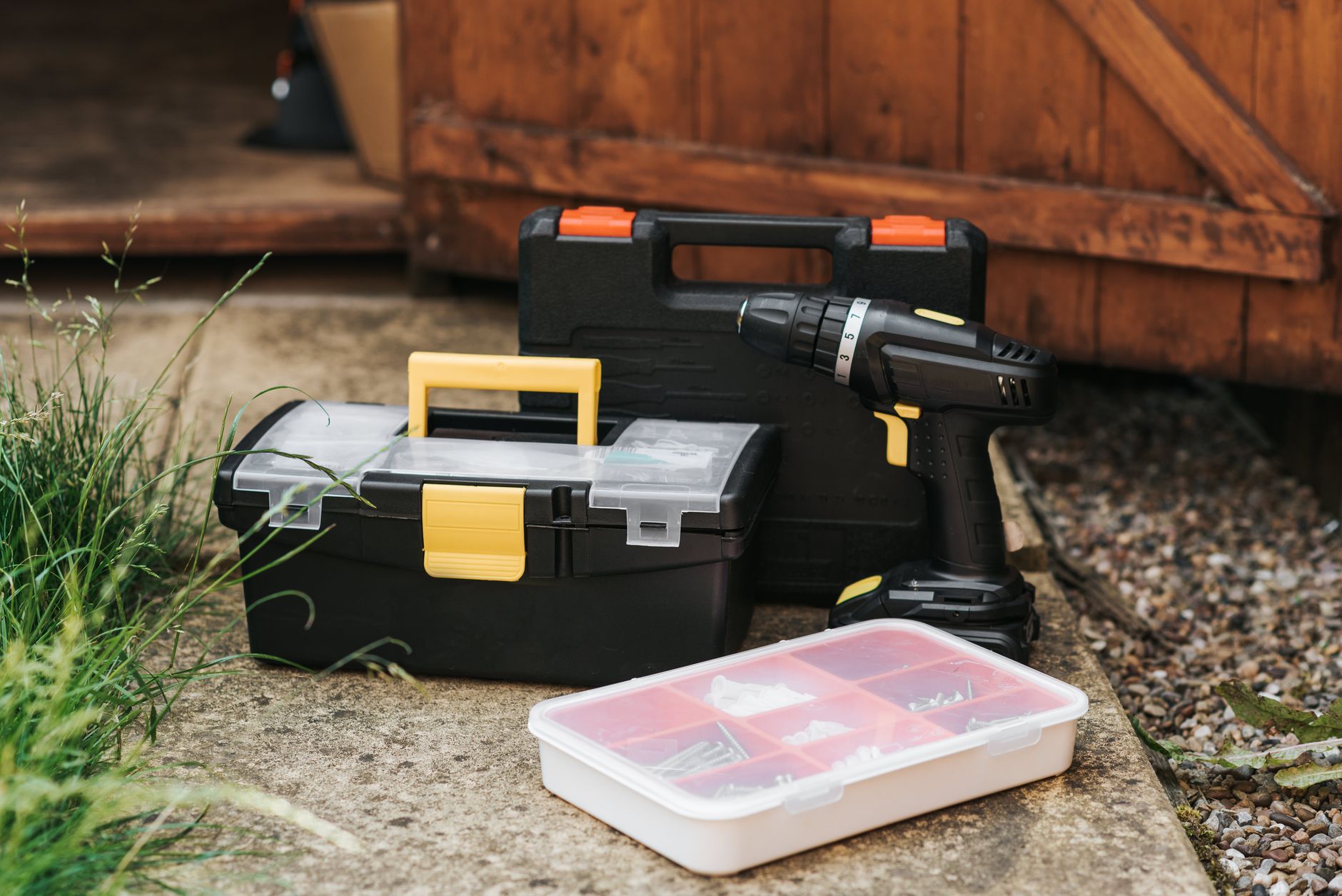
This page is the editorial index for fence materials, hardware and professional tools relevant to contractors and buyers. Use it to find product families by material, to see what each product fiche contains, and to reach the commercial contact for orders or technical questions.
The geographic focus is the Rocky Mountain area, with an emphasis on Colorado, based on the local supplier presence noted on the supplier site. For commercial contact and showroom details, see the Contact page linked below.
For a direct commercial inquiry: the supplier contact page is available at https://centennialfence.com/contact/ and the company overview is at https://centennialfence.com/about/.
Overview of product families covered
The catalogue on the supplier site is organized by material. The main families treated here are:
- Wood (cedar)
- PVC
- Composite (Trex)
- Iron & Aluminum
- Chain Link
- Hardware & Accessories
- Tools & Machinery
Each family serves typical uses. Wood and composite are common for privacy and residential installations. Iron and aluminum are used where decorative or HOA-compliant fencing is required. Chain link is frequent for commercial, industrial and sports facilities. Hardware and tools support all installations, from small residential jobs to larger commercial projects.
Dedicated product sections on the supplier site exist for Trex, PVC, Wood and Iron & Aluminum. See the product pages at:
- https://centennialfence.com/trex/
- https://centennialfence.com/pvc/
- https://centennialfence.com/wood/
- https://centennialfence.com/iron-aluminum/
What each product fiche contains
Every linked product page or fiche is expected to follow a consistent structure so contractors can compare items quickly. The editorial standard for a fiche includes:
- Product name and manufacturer, with a link to the manufacturer when available.
- Recommended usage: residential, commercial, or high-security — stated as published by the manufacturer.
- Technical specifications that are essential for installation decisions: dimensions, gauge, coating, and any warranty language that is directly quoted from the manufacturer source.
- Material description and compatibility notes for gates, posts and common accessories.
- A short installation summary with a link to a complete installation guide or downloadable PDF if the supplier provides one.
- Logistics notes indicating how stock, lead times and delivery options are handled — only when those figures or terms are provided by the supplier or manufacturer and explicitly dated.
- Clear call-to-action links: request a quote, contact the commercial team, or download the spec sheet. The commercial contact is at https://centennialfence.com/contact/ and company services are summarized at https://centennialfence.com/about/.
Any numeric claim in a fiche (price, stock level, lead time, warranty duration) must be sourced to a manufacturer or supplier document and dated. We do not publish unsourced numbers.
Professional tools and consumables for installers
Tools and consumables fall into distinct categories. For quick reference, the editorial catalog covers:
- Hand tools: post hole diggers, levels, hammers and common layout tools.
- Installation machinery: post drivers and augers for faster foundation work.
- Specialized tools: tensioners for chain link fences, nail guns for picket work.
- Consumables: concrete mix, post caps, ties and fasteners specific to each material type.
When selecting tools for a contracting fleet, contractors should compare durability, maintenance needs and total cost of ownership rather than purchase price alone. Warranty terms and maintenance schedules should be checked against manufacturer documentation or association guidance when available.
Where the supplier or trade associations list preferred equipment or vendors, we link to those sources. Trade show guides and association files are referenced to help contractors monitor new tools and warranties; see the FenceTech show guide for industry updates.
How to choose materials and tools by project type
Choice depends on project priorities: durability, aesthetics, maintenance and budget. Below are three common project profiles and the practical priorities for each.
Residential privacy fence (cedar or composite)
Priority: privacy, visual continuity and reasonable long-term maintenance. Materials like cedar or Trex are commonly chosen because of their appearance and low maintenance. Contractors should verify recommended fastening systems, post specifications and whether accessories (caps, gates) are compatible with the chosen material. Check any manufacturer installation guides linked on the product fiche.
Commercial and industrial installations
Priority: security, durability and compliance with local code. Chain link and reinforced metal systems are often used. Contractors must confirm coating and galvanization specs where corrosion resistance is a concern. For larger projects, request documented fabrication capabilities such as custom steel or aluminum work as noted on the supplier About page.
Ornamental and HOA projects (iron or aluminum)
Priority: design compliance and finish quality. Ornamental systems require attention to post spacing, anchoring and powder-coat or galvanized finishes. Cross-check manufacturer finish specifications and permitted heights for HOA compliance. Where design sensitivity is high, ask for finish samples or shop drawings.
For all project types, verify local permitting and setback rules before ordering materials. As an example of a local permit process, see the City of Centennial fence permit guidance at https://www.centennialco.gov/Online-Services/Apply-for-a-Fence-Permit.
Logistics and B2B procurement considerations
Buyers expect several delivery and procurement options: will-call, local delivery, truckload shipping, and custom fabrication support. The supplier About page notes wholesale and custom fabrication capabilities, including steel and aluminum fabrication and use of DeltaCAD drawings for custom work.
Key information to request from any supplier includes lead time, minimum order quantities, return conditions, warranty terms and certifications for finishes such as galvanization or powder coat. Those data points must be provided by the supplier or manufacturer and are to appear on each product fiche or be available through the commercial contact.
Standards, certifications and installation best practices
Pay attention to coatings and tolerances. Galvanization and powder-coat specifications govern corrosion resistance. Proper drainage and backfill around posts reduce long-term movement and rot risk for wood posts. Quality control checks after installation help catch alignment or fastening issues before final handover.
For standards and continued professional development, contractors can consult trade associations and event guides. The American Fence Association and the FenceTech show guide are useful resources for standards, tools and supplier listings.
FAQ — common operational questions
Q: Which material performs better in snowy climates?
A: Material choice should factor durability and finish. Consult manufacturer guidance on finish and maintenance for winter conditions, and check product fiches for any manufacturer recommendations.
Q: Do wood posts need treatment if buried?
A: Consult the manufacturer or material fiche for required treatment. Installation practices for buried posts vary by wood species and local code; check local permit guidance for any specific requirements.
Q: Where do I find standard gate options?
A: Gate options and sizes are listed on product fiches when provided by the manufacturer. If a gate is not detailed on the fiche, contact the supplier commercial team via the contact page for spec sheets.
Useful links and commercial contact
What we do not know (editorial transparency)
The following items were not available in the supplier pages consulted and are not published here:
- Actual stock levels or current item availability.
- Unit prices, pro discount schedules or volume pricing.
- Concrete lead times or specific delivery lead times and minimum order quantities.
- Warranty durations expressed as a numeric term unless the manufacturer text is explicitly quoted and sourced on a fiche.
- Any content or data from internal files not present in the sources consulted for this page.
If you need stock, price or lead-time data, request those figures directly from the commercial contact listed on the supplier contact page or ask the supplier for a dated export from their ordering system.
Editorial notes and updates
This hub is an editorial index. Product fiches linked from this page must include sources and dates for all numeric claims. The supplier pages cited here were consulted on 04/09/2026. Update cycles for core catalogue pages should be scheduled annually or whenever manufacturers publish new specifications.
Corrections to product fiches must be submitted to the editorial team with source documents and the date of the source. New fiches must follow the structure set out above and link to manufacturer material or the supplier product page that provides the specification.

Rédactrice · clôtures, portails, aménagements extérieurs
Laura couvre les tendances et innovations en matière de clôtures et portails de jardin. Elle prend soin de vérifier les informations en consultant des sources fiables et en croisant plusieurs avis avant de publier.
Les questions traitées dans cette fiche
Dans la même zone : Outils et Produits
4 étapes3 min de lecture
Outils et Produits

4 étapes3 min de lecture
Outils et Produits

13 étapes8 min de lecture
Outils et Produits
12 étapes8 min de lecture
Outils et Produits