Accueil Entretien et Réparations
Entretien et Réparations
Meilleures clôtures peu d’entretien pour propriétaires occupés
Classement et critères pour choisir une clôture peu d'entretien. Présente sept types, avantages et limites, tableau comparatif et FAQ. Ne remplace pas la vérifi
Laura Dufresne 7 min de lecture
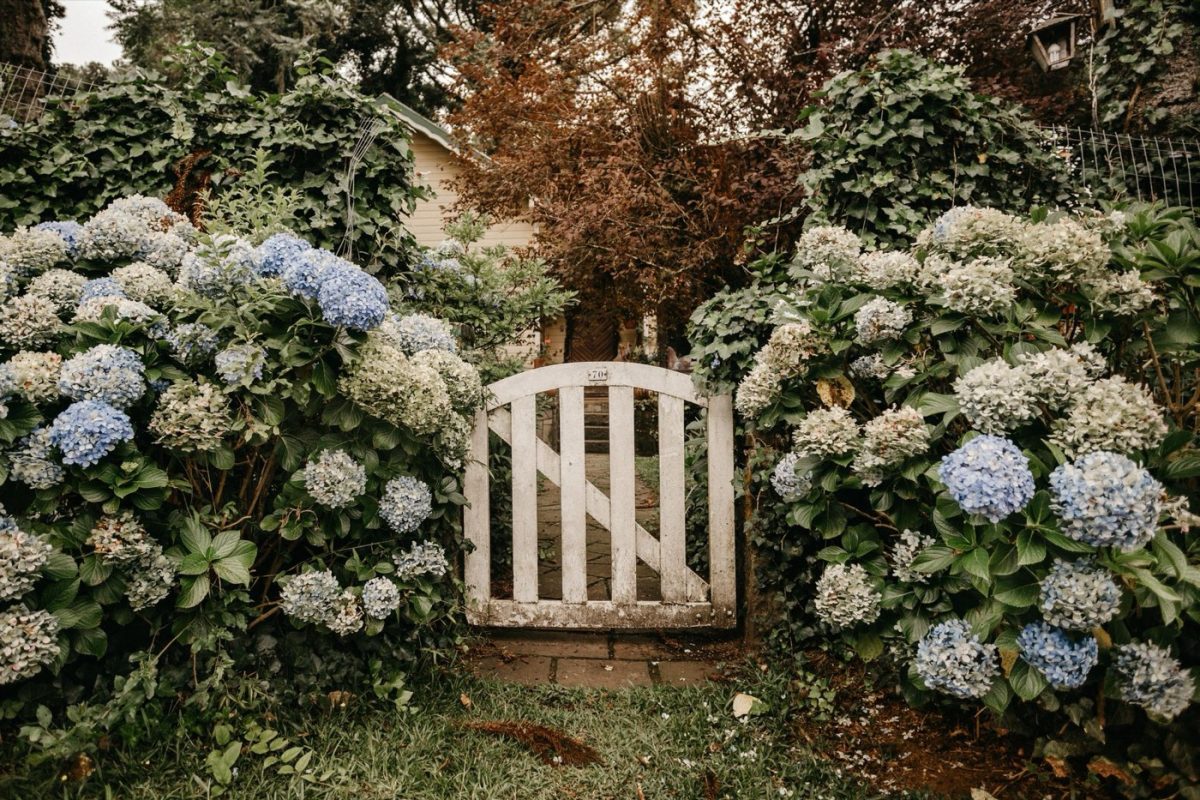
This ranking lists low-maintenance fence options suited to busy homeowners, explains the criteria used, details seven fence types with pros and limits, and ends with a comparison table and short FAQ. This page is informative and does not replace checking local codes or getting a professional quote.
Criteria used for this ranking
The list below shows the criteria applied to compare fence options. Each criterion matters to busy homeowners who want clear trade-offs without deep research.
- Maintenance required — describes the kind of upkeep the material needs, such as cleaning, painting, or treatment, so owners can gauge recurring effort.
- Durability and weather resistance — evaluates how the material handles moisture, UV, and salt exposure, which affects how often repairs or replacements are needed.
- Privacy and aesthetics — looks at whether the fence provides seclusion and the visual impact in a yard, important for homeowners who value appearance with little upkeep.
- Relative cost and installation — considers purchase and installation implications without giving dollar figures; helps prioritize budget vs. long-term convenience.
- Climate and location suitability — flags materials better for coastal, snowy, or high-UV areas so owners can match material to local exposure.
- Repairability and modularity — assesses whether damaged sections can be replaced individually or require large rebuilds, which affects downtime for busy homeowners.
- HOA and local rules compatibility — reminds readers to verify homeowner association rules and local codes before selecting a material.
Our ranking of low-maintenance fences for busy homeowners
Below are seven fence types commonly cited as low-maintenance. Each entry explains who benefits most, what sets the material apart, and its honest limits. Sources are noted for each entry (consulted 04/09/2026).
Vinyl (PVC) fence
Who it fits: homeowners who want privacy and minimal recurring work.
What distinguishes it: vinyl does not require staining or painting and is typically cleaned by occasional rinsing or washing; it is often sold in panel kits ready for installation.
Limits: lower-grade vinyl can yellow, crack, or warp in some climates; thermal expansion and contraction may cause fit issues in extreme heat or cold.
Notes: vinyl offers strong privacy when panels are solid, but performance varies by product grade and installation quality.
Powder-coated aluminum fence
Who it fits: homeowners who prioritize an ornamental look with corrosion resistance, including those near salt air.
What distinguishes it: powder coating improves corrosion resistance and reduces the need for paint or rust treatment; aluminum gives a metal finish with relatively low cleaning needs.
Limits: aluminum fences usually do not provide full privacy unless combined with panels; they can dent and the initial cost is typically higher than very basic options.
Composite fencing (wood-plastic composite)
Who it fits: homeowners who want the look of wood without frequent staining.
What distinguishes it: composite materials resist rot and insect damage better than untreated wood and generally require less painting or staining, while keeping a wood-like appearance.
Limits: composites can stain or develop algae in damp environments and may require pressure washing; repairs can be more involved than replacing a single wood board.
Galvanized or PVC-coated chain-link
Who it fits: homeowners focused on containment and low upkeep over aesthetics.
What distinguishes it: chain-link is durable, resists corrosion when galvanized or PVC-coated, and needs very little routine maintenance beyond occasional inspection.
Limits: chain-link provides limited privacy and a more industrial appearance, which may not suit yards where a private, decorative look is desired.
Cedar and other low-upkeep wood options
Who it fits: homeowners who prefer a natural look and accept periodic maintenance checks.
What distinguishes it: certain woods like cedar have natural resistance to decay and can age to a favored patina; they deliver a warm aesthetic that many homeowners value.
Limits: wood still requires inspections, occasional replacement of fasteners or boards, and possibly treatments depending on exposure; it generally demands more hands-on care than vinyl, aluminum, or composite.
Hybrid solutions (aluminum frame with composite or privacy panels)
Who it fits: homeowners seeking a custom balance of look and low upkeep.
What distinguishes it: hybrids pair a sturdy metal structure with low-maintenance panels to combine durability and privacy; they let owners target weak points and choose materials by property exposure.
Limits: hybrids can be more complex to install and may cost more up front; sourcing compatible components can affect repairability.
Precast concrete or masonry
Who it fits: homeowners prepared to invest for long-term durability and near-zero maintenance once installed.
What distinguishes it: masonry and precast concrete offer strong privacy and minimal routine upkeep after construction; they are often chosen where permanence and low contractor interaction are priorities.
Limits: these solutions usually involve higher initial investment, potential permitting, and visual impact considerations; they are not always the right fit for every neighborhood or homeowner budget.
How to choose based on your situation
Busy homeowners should prioritize a small set of considerations to reach a quick decision.
- Decide which matters most: privacy, visual style, or lowest ongoing effort.
- Match material to climate: coastal areas favor corrosion-resistant metals or quality vinyl; moist climates call for rot-resistant composites or treated wood.
- Check HOA and local permit rules before buying; some neighborhoods restrict materials or colors.
- Consider repairability: if you prefer swap‑out repairs, choose modular panels or chain-link with replaceable sections.
- Plan for professional input for complex installations or masonry work; this page is informational only and not a substitute for a local quote.
Minimal maintenance actions per material
- Vinyl: periodic rinsing or mild wash to remove grime and prevent staining.
- Aluminum (powder-coated): inspect for dents, rinse salt or dirt to preserve the finish.
- Composite: clean off mold or algae with recommended cleaners and occasional rinsing.
- Chain-link (galvanized/PVC-coated): inspect for tension and rust at fittings; clean as needed.
- Cedar/wood: inspect fasteners and boards, perform localized repairs and treatments if recommended by a professional.
- Hybrids: follow manufacturer guidance for both frame and panel components.
- Masonry/precast: inspect for settlement or mortar issues; routine cleaning as needed.
FAQ
Is there a fence that requires zero maintenance? No material is zero-maintenance; all listed options require at least occasional inspection and cleaning.
Which material is best near the ocean? Corrosion-resistant choices such as powder-coated aluminum or high-quality vinyl are commonly recommended for coastal exposure.
Can I replace a single damaged panel? Many systems allow panel-level replacement, but repairability depends on the chosen product and installation method; plan for modular options if quick fixes matter.
Summary comparison table
| Material | Maintenance | Durability | Privacy | Relative cost | Ideal for |
|---|---|---|---|---|---|
| Vinyl (PVC) | Low — occasional cleaning | Good, varies by grade | High with solid panels | See sources | Privacy-focused busy homeowners |
| Powder-coated aluminum | Low — rinse/inspect | Good, corrosion-resistant | Low without panels | See sources | Ornamental look, coastal tolerance |
| Composite | Low–medium — cleaning | Good | Medium–High | See sources | Wood look with less upkeep |
| Galvanized / PVC-coated chain-link | Very low — inspect/clean | High | Low | See sources | Containment, low-effort yards |
| Cedar / wood | Medium — inspections, localized care | Variable by species | High | See sources | Natural look, owners willing to maintain occasionally |
| Hybrid (aluminum + panels) | Low–medium | Good | Medium–High | See sources | Custom balance of durability and privacy |
| Precast concrete / masonry | Low after installation | Very high | High | See sources | Long-term durability, minimal routine care |
What we don’t know
- Exact unit costs or price ranges in USD per linear foot for any material are not provided on this page and are not estimated here.
- Precise lifespan in years for each material is not stated; longevity varies by product grade and local conditions.
- Local permit requirements, HOA restrictions, and maximum allowed heights by city or county are not listed and must be checked with local authorities or a professional.
- Data from the site’s DATA-BANK is not used because it was not available at the time this page was prepared (consulted sources only).
Sources consulted: Home Depot — Types of Fences (https://www.homedepot.com/c/ab/types-of-fences/, consulted 04/09/2026); FenceLevel — Types of Fences (https://www.fencelevel.com/types-of-fences, consulted 04/09/2026); FenceReport — Low-Maintenance Fence article (https://www.fencereport.com/articles/low-maintenance-fence, consulted 04/09/2026); This Old House — Backyard Fence guide (https://www.thisoldhouse.com/lawns/backyard-fence, consulted 04/09/2026); Angi — Low-Maintenance Fences (https://www.angi.com/articles/low-maintenance-fences.htm, consulted 04/09/2026); Fence Contractor Pros — Material Comparison (https://fencecontractorpros.com/guides/fence-material-comparison, consulted 04/09/2026); LandscapingGlobe — Fence Types (https://landscapingglobe.com/blogs/fence-types-homes, consulted 04/09/2026).

Rédactrice · clôtures, portails, aménagements extérieurs
Laura couvre les tendances et innovations en matière de clôtures et portails de jardin. Elle prend soin de vérifier les informations en consultant des sources fiables et en croisant plusieurs avis avant de publier.
Les questions traitées dans cette fiche
Dans la même zone : Entretien et Réparations
4 étapes3 min de lecture
Entretien et Réparations

4 étapes3 min de lecture
Entretien et Réparations
4 étapes3 min de lecture
Entretien et Réparations

3 étapes3 min de lecture
Entretien et Réparations