Accueil Entretien et Réparations
Entretien et Réparations
Mastering Pressure Washing for Your Fence
Learn how to effectively clean your fence using a pressure washer without causing damage. Follow these tips to ensure a successful cleaning.
Marc Belin 3 min de lecture

Cleaning your fence is essential for maintaining its appearance and prolonging its lifespan. A pressure washer can be a powerful ally in this task, but if not used properly, it can also cause damage. Fortunately, with the right techniques, you can achieve a clean and refreshed look without risking harm to your fence. Here’s a practical guide to help you get started.
What to Do Before You Start Pressure Washing
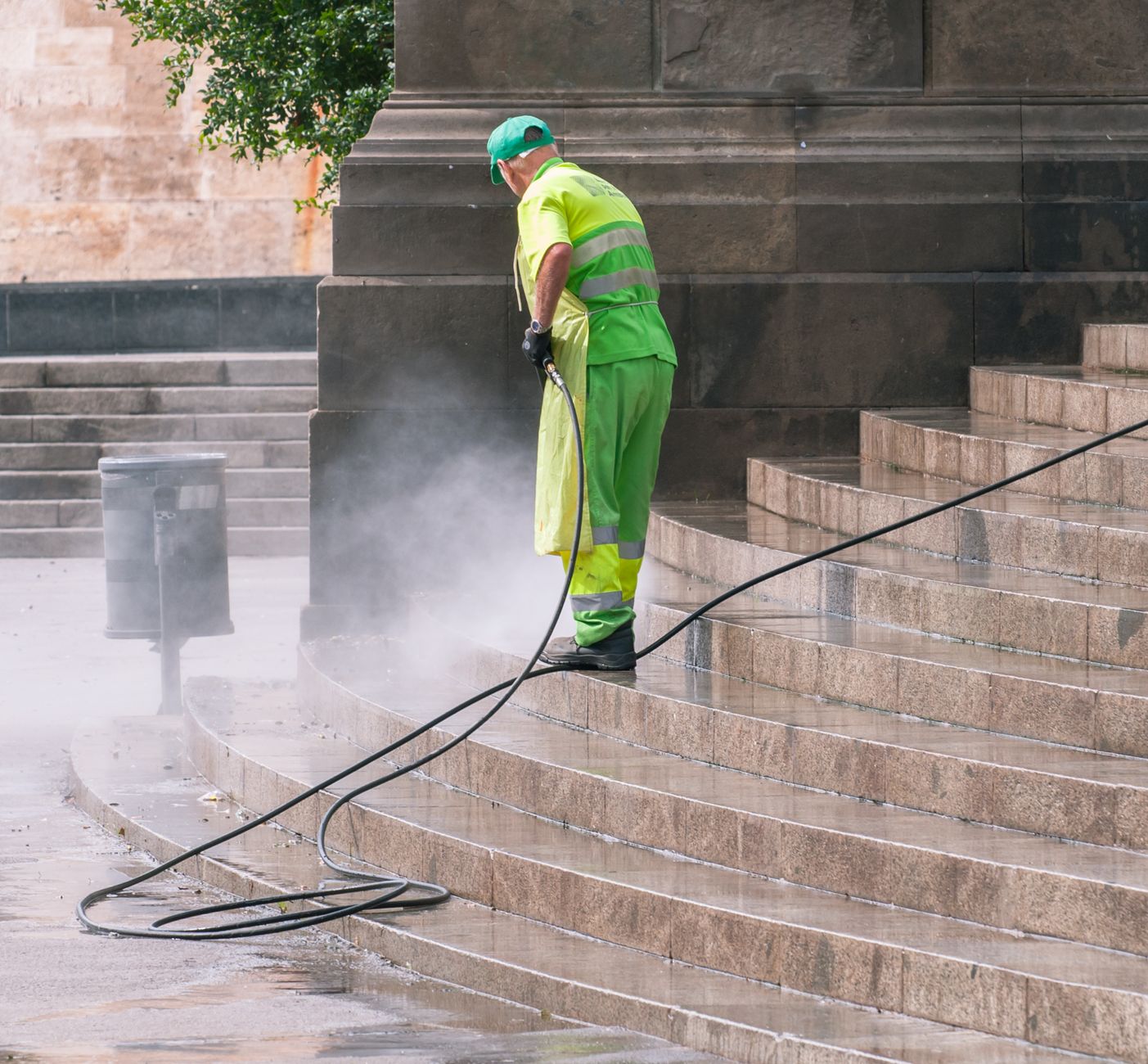
Preparation is key when using a pressure washer on your fence. Here are some important steps to take:
- Inspect Your Fence: Check for any loose boards, nails, or areas of rot that may be compromised. Repair these issues before pressure washing to prevent further damage.
- Choose the Right Equipment: Ensure your pressure washer has adjustable pressure settings. A washer with at least 1,500 to 2,000 PSI is generally suitable for fences.
- Select a Suitable Nozzle: Use a wider nozzle, such as a 15 or 25-degree, to avoid damaging the wood or material of your fence. A wider spray pattern reduces the risk of gouging the surface.
- Gather Cleaning Supplies: If your fence has stubborn stains or mildew, consider using a cleaning solution designed for outdoor use. Make sure it’s compatible with your fence material.
How to Pressure Wash Your Fence Effectively
Once you have prepared, it’s time to pressure wash your fence. Follow these steps for the best results:
- Test on a Small Area: Before proceeding with the entire fence, test the pressure washer on a small, inconspicuous area. This will help you gauge the impact and adjust the pressure accordingly.
- Maintain Distance: Keep the nozzle at least 2-3 feet away from the surface of the fence. This distance helps prevent damage while still effectively removing dirt.
- Utilize a Sweeping Motion: Move the nozzle in a steady, sweeping motion from side to side. Avoid holding it in one spot for too long to prevent etching or gouging the surface.
- Work from the Top Down: Start at the top of the fence and work your way down. This technique prevents dirty water from running over cleaned areas.
- Rinse Thoroughly: After washing, rinse the fence with clean water to remove any soap or cleaning solution residue.
When to Pressure Wash Your Fence
Timing can make a significant difference in the effectiveness of your cleaning. Here are some optimal times to consider:
- Seasonal Maintenance: Spring and fall are ideal seasons for pressure washing your fence, as they usually bring milder weather and lower humidity.
- After Severe Weather: Heavy rain or storms can leave debris and mildew on your fence. Cleaning it soon after such events can help maintain its condition.
- Before Staining or Sealing: If you plan to stain or seal your fence, pressure washing it beforehand can help ensure better adhesion and a more uniform finish.
Avoiding Common Mistakes
To ensure you don’t damage your fence while pressure washing, keep these common pitfalls in mind:
- Using Too High Pressure: Excessively high pressure can strip paint and damage wood fibers. Always start with a lower setting.
- Neglecting Safety Gear: Always wear safety goggles and gloves to protect yourself from debris and cleaning solutions.
- Skipping the Cleaning Solution: If your fence is particularly dirty, don’t skip using a cleaning solution. It can make a significant difference in the results.
By following these guidelines, you can effectively clean your fence with a pressure washer while avoiding damage. Taking the time to prepare and use the right techniques will yield a fence that not only looks great but also stands the test of time.

Rédacteur spécialisé · matériaux, sécurité, design extérieur
Marc explore les différents matériaux et designs pour les portails et clôtures. Passionné par l'aménagement extérieur, il fait ses recherches minutieusement pour assurer la véracité de ses articles.
Les questions traitées dans cette fiche
Dans la même zone : Entretien et Réparations
4 étapes3 min de lecture
Entretien et Réparations

4 étapes3 min de lecture
Entretien et Réparations

3 étapes3 min de lecture
Entretien et Réparations

9 étapes8 min de lecture
Entretien et Réparations