Accueil Entretien et Réparations
Entretien et Réparations
Checklist saisonnière pour l’entretien des clôtures
Guide saison par saison pour inspecter, nettoyer, réparer et protéger clôtures : prévenir pourriture, corrosion, affaissement et problèmes de portail, et savoir
Marc Belin 6 min de lecture
TL;DR — This seasonal fence maintenance checklist helps homeowners, landlords and HOA managers protect fences from rot, corrosion, sagging and gate failure by listing what to inspect each season, what each task prevents, material-specific actions, and clear signs that warrant a professional evaluation.
Quick overview: why seasonal fence maintenance matters

Regular seasonal maintenance reduces common failure modes: rot in wood posts, corrosion on metal components, sagging rails, gate malfunction, and disputes over responsibility within HOAs. Seasonal debris trapped at the fence base promotes moisture retention, mildew and rot, so removing debris is a simple preventive step.
Posts and footings are common failure points; checking bases for rot or settling and evaluating leaning sections helps catch problems before they spread. Major post decay or widespread leaning should prompt a professional evaluation.
When to do inspection & core seasonal rhythm
Use the four-season rhythm below as a planner. Multiple contractor guides and a seasonal checklist PDF converge on inspection, vegetation control, small repairs, washing, gate maintenance, and re-stain/seal as needed.
Spring
- Inspect for winter damage: loose boards, leaning posts, broken fasteners.
- Clear vegetation and debris from the fence base to reduce trapped moisture.
- Wash fence surfaces where mildew or grime collected over winter.
- Prepare for staining/sealing if needed; best done in a dry period, not winter or rainy days.
Summer
- Follow up on repairs started in spring; check gate alignment and latches after humidity shifts.
- For wood fences, plan staining or sealing during a dry stretch; many guides recommend a 2–3 year cadence for stain/seal on wood.
- Monitor for thermal expansion on vinyl and composite sections and for early corrosion on metal components.
Fall
- Clear leaves and mulch away from the fence base; trapped organic matter promotes rot.
- Inspect posts and footings reacting to freeze-thaw cycles and address loose fasteners.
- Finish any staining or sealing that must be done before winter moisture sets in; avoid staining if rain is expected.
Winter
- Remove heavy snow or ice buildup from gates and horizontal surfaces when safe to do so to prevent load damage.
- Avoid major repairs that require deep excavation or electric work; photograph damage for HOA or insurance records and contact a licensed contractor for structural issues.
Wood fences
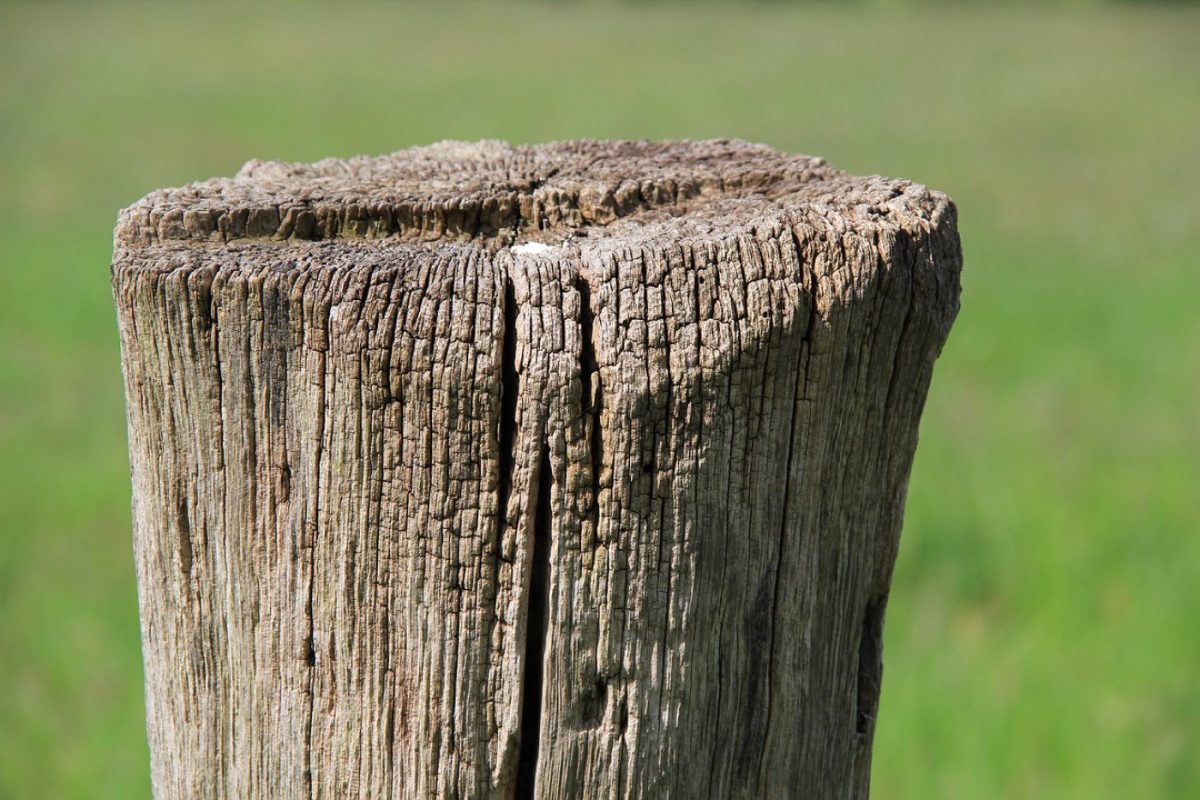
Inspect posts, pickets and rails for rot, checking bases and any areas where debris or soil touches wood. Maintain roughly a clearance between wood and soil to reduce moisture contact; clear vegetation away from the bottom of the fence.
Cleaning can remove mildew and grime. Staining or sealing a wood fence every 2–3 years is recommended to protect wood and extend lifespan; do this during a dry period and avoid winter or rainy weather.
When to call a pro: major post decay, multiple failing posts, deep footing problems, or structural leaning should be evaluated by a licensed contractor or engineer.
Vinyl fences
Vinyl needs less sealing but benefits from periodic cleaning with mild detergent. Use caution with pressure washers and follow manufacturer guidance. Inspect for cracked panels, loose fasteners and gate hardware; thermal expansion can affect alignment and requires attention.
Chain-link and metal fences
Inspect for rust, loose tension bands and bent posts. Tighten rails and treat minor rust early to limit spread. Lubricate gate hinges and latches to prevent binding. For significant corrosion or bent structural elements, contact a professional for repair or replacement assessment.
Composite & other materials
Composite materials are lower-maintenance but still require periodic inspection of fasteners and manufacturer-directed cleaning. Follow the material manufacturer’s guidance for cleaning and maintenance.
Step-by-step seasonal checklist (printable / homeowner action)
Each season checklist below lists prioritized tasks with a short reason and a sign that indicates calling a pro.
Spring checklist
- Inspect all fence lines for loose or damaged boards — why: prevent spread of rot; call a pro if multiple boards or posts fail.
- Clear debris at base — why: reduces moisture and mildew buildup.
- Wash fences as needed — why: removes grime and mildew that accelerate wear.
- Check gates and latches — why: ensure secure operation after winter; call a pro for complex gate realignment.
- Plan re-staining/sealing in a dry window if due — why: protects wood; frequency guidance: every 2–3 years for wood.
Summer checklist
- Complete stain/seal projects in dry weather — why: proper adhesion requires dry conditions.
- Inspect fasteners and brackets — why: thermal cycles and humidity can loosen hardware.
- Trim vegetation that rubs against the fence.
Fall checklist
- Clear leaves and mulch from the base — why: reduces rot risk entering winter.
- Inspect posts and footings for settling before freeze-thaw cycles.
- Address loose boards and tighten hardware.
Winter checklist
- Remove heavy snow/ice from gates and rails when safe — why: avoid excess load damage.
- Document significant storm damage with photos and contact a licensed local contractor for structural issues; retain receipts for HOA or insurance records.
Safety, tools, and materials (what homeowners can do safely)
Safe DIY tasks: cleaning, tightening screws, replacing single boards, staining in appropriate weather. Use ladder safety practices and avoid digging or electrical work that requires professional skills. Pressure washer caution: follow manufacturer guidance and avoid excessive pressure on fragile panels.
Basic tools for safe jobs: hand tools, caulking gun, exterior stain or sealer, mild detergent and soft brush, ladder with footing on stable ground. For anything involving deep footings, structural realignment or electrical interaction, consult a licensed contractor.
When to call a professional
Red flags that require a licensed pro or structural evaluation:
- Widespread rot or multiple failing posts.
- Significant leaning of fence sections.
- Broken footings or persistent settling.
- Complex gate realignment or hinge/frame failures.
- Electrical issues or retaining-wall interactions that affect fence stability.
Document damage with photos, keep receipts for repairs, and consult HOA procedures when association responsibility may apply.
Regional considerations & timing adjustments
Climate shifts priorities and timing. Humid coastal areas need vigilance for corrosion and mildew. Freeze-thaw regions must inspect footings and clear base debris before freezing. In monsoon-prone Southwest locations, perform a pre-monsoon inspection and secure gates and loose components. High-UV desert climates may accelerate material aging; adjust inspection frequency accordingly.
Quick links / resources / printable checklist
Related site pages: How to choose the right fence material. Printable one-page checklist available for download or printing.
What we don’t know / verify before you act
⛔ absent: no universal numeric thresholds for acceptable lean angles or exact tolerances for post movement are provided here. Do not rely on this article for legal determinations of HOA vs. owner responsibility; check governing HOA documents and local regulations. No lifespan guarantees for a fence are stated. For product-specific application rates or dry-times, consult the manufacturer’s instructions.
Sources and further reading
- Kodiak Fence Co., “Wood Fence Maintenance Guide (2026) — Stain, Seal & Repair”
- Lowe’s, “How to Protect Wood Fences”
- Kirkwood Fence, “How to Maintain a Wood Fence”
- Fantastic Fence, “Wood Fence Maintenance Checklist Homeowner’s Guide”
- OnOtto, “Fence Maintenance Checklist (Seal Wood, Reset Posts)”
- ManageCasa, “HOA Maintenance Checklist: Seasonal Guide 2026”
- Arizona Experts, “HOA Monsoon Maintenance Checklist for Phoenix Managers”
- Fence Makeovers, “Fence Maintenance Seasonal Checklist” (PDF)
HOA note: document inspections and clarify owner vs. association responsibilities by reviewing your HOA covenants and maintenance policies; seasonal checklists can reduce disputes and help manage liability.
Last reviewed: September 4, 2026.
Sources
- kirkwoodfence.com
- fencemakeovers.com
- callfantasticfence.com
- kodiakfenceco.com
- onotto.com
- managecasa.com
- arizona-experts.com

Rédacteur spécialisé · matériaux, sécurité, design extérieur
Marc explore les différents matériaux et designs pour les portails et clôtures. Passionné par l'aménagement extérieur, il fait ses recherches minutieusement pour assurer la véracité de ses articles.
Les questions traitées dans cette fiche
Dans la même zone : Entretien et Réparations
4 étapes3 min de lecture
Entretien et Réparations
4 étapes3 min de lecture
Entretien et Réparations
4 étapes3 min de lecture
Entretien et Réparations
3 étapes3 min de lecture
Entretien et Réparations